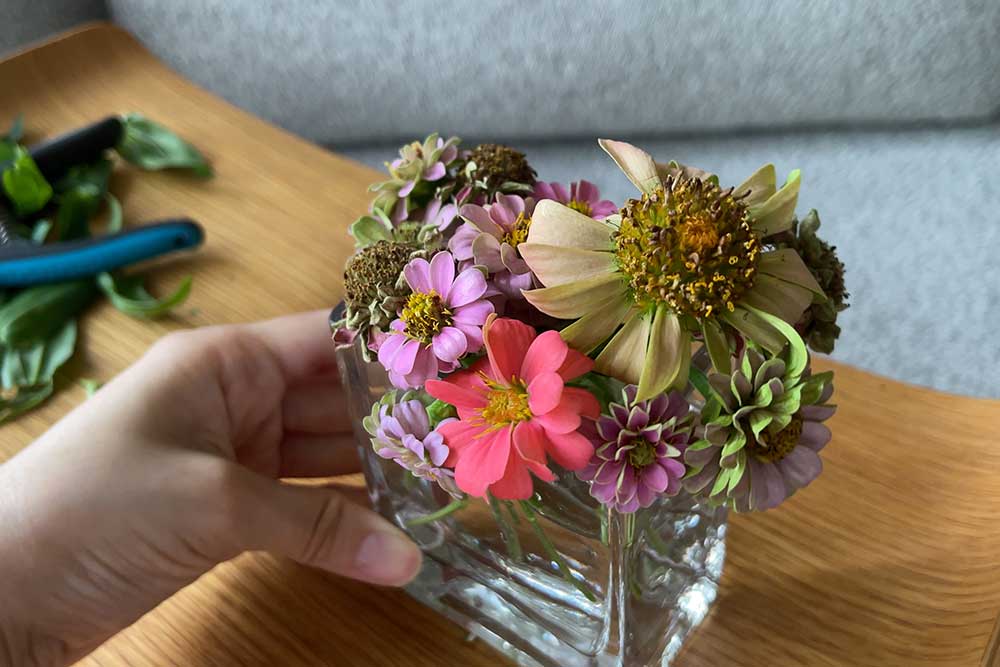
When I first starting gardening inside my apartment, all I wanted to grow was vegetables.
I started slowly, with herbs.
Then graduated to leafy Asian greens and lettuces.
And finally spent a couple years growing bigger fruiting vegetables like cherry tomatoes and peppers.
Once I was able to grow eggplants and full size slicer tomatoes, I felt like I finally unlocked the magic of gardening.
Growing your own food, garden to plate, honestly feels very rewarding.
But after a couple years of it (and posting content about it – social media, always the killer of hobbies), I started to feel a bit uninspired.
I was growing the same things, over and over (albeit in different vegetable varieties) and everything just ran smoothly in the background on autopilot.
My mother likes to say that I get bored easily.
An ex once phrased it more kindly – “I think you like to always be learning”
Whatever the reason, I harvested the last vegetables, did a deep clean, and took a long break from my indoor gardens.
And then, I had the idea to plant flowers.
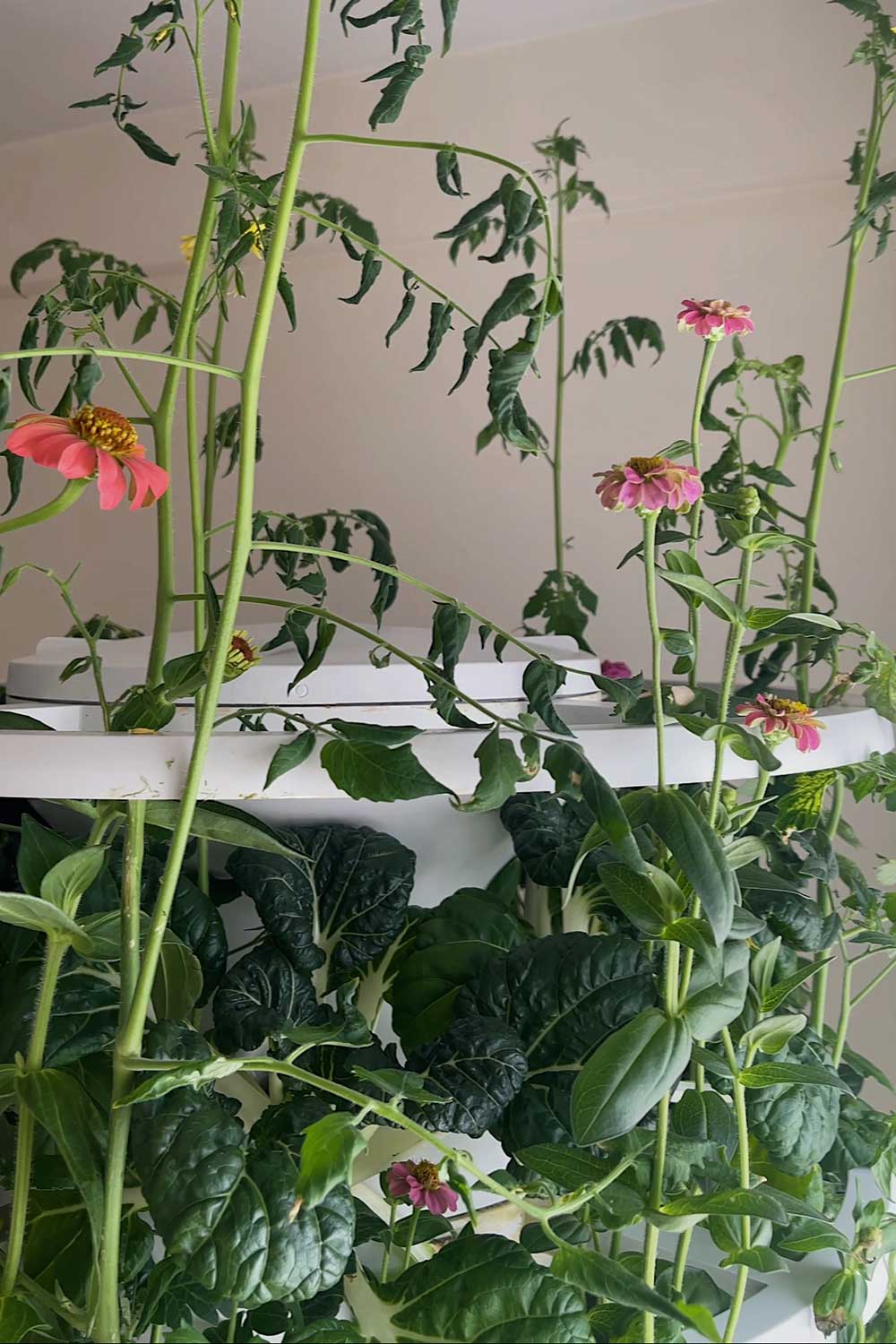
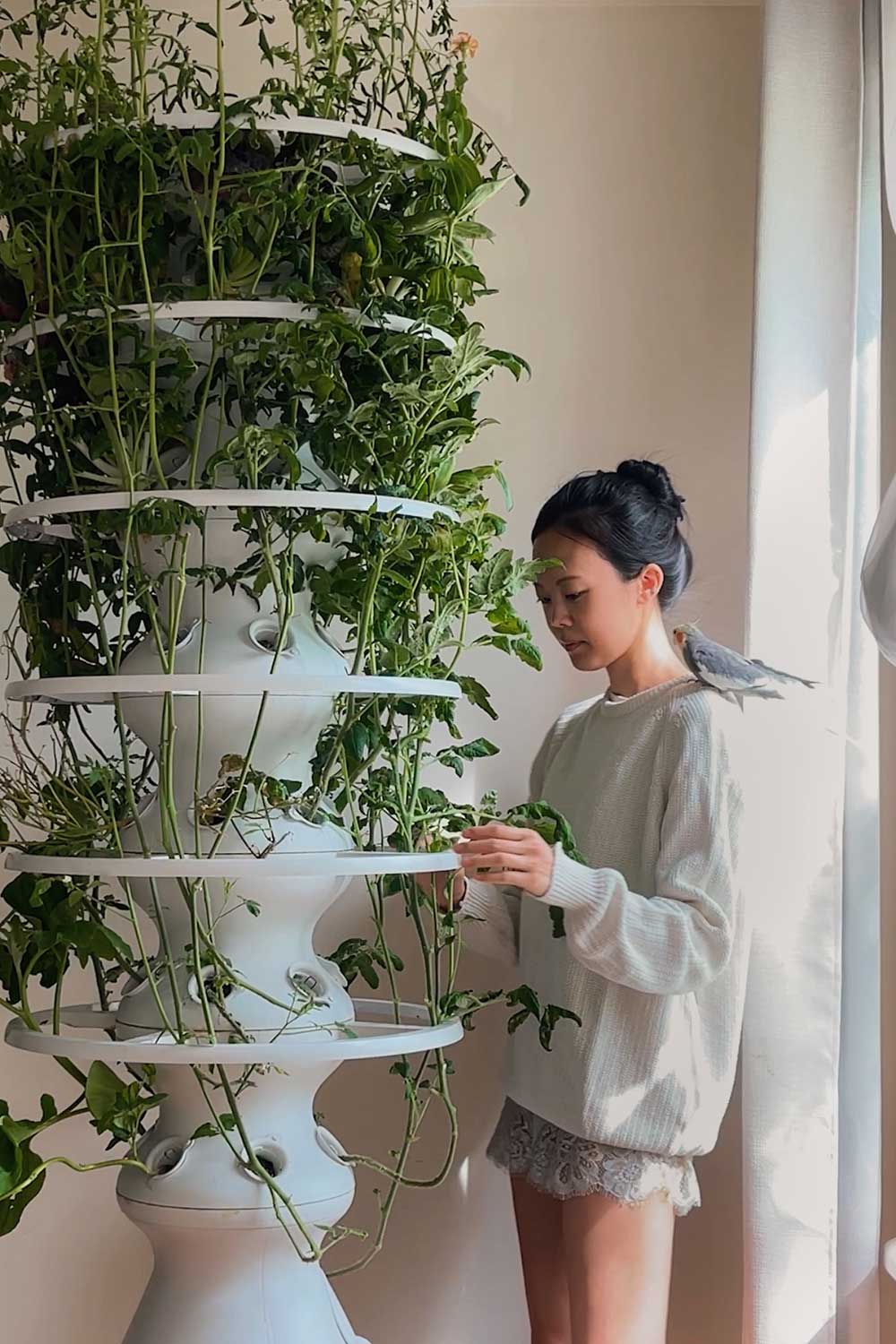
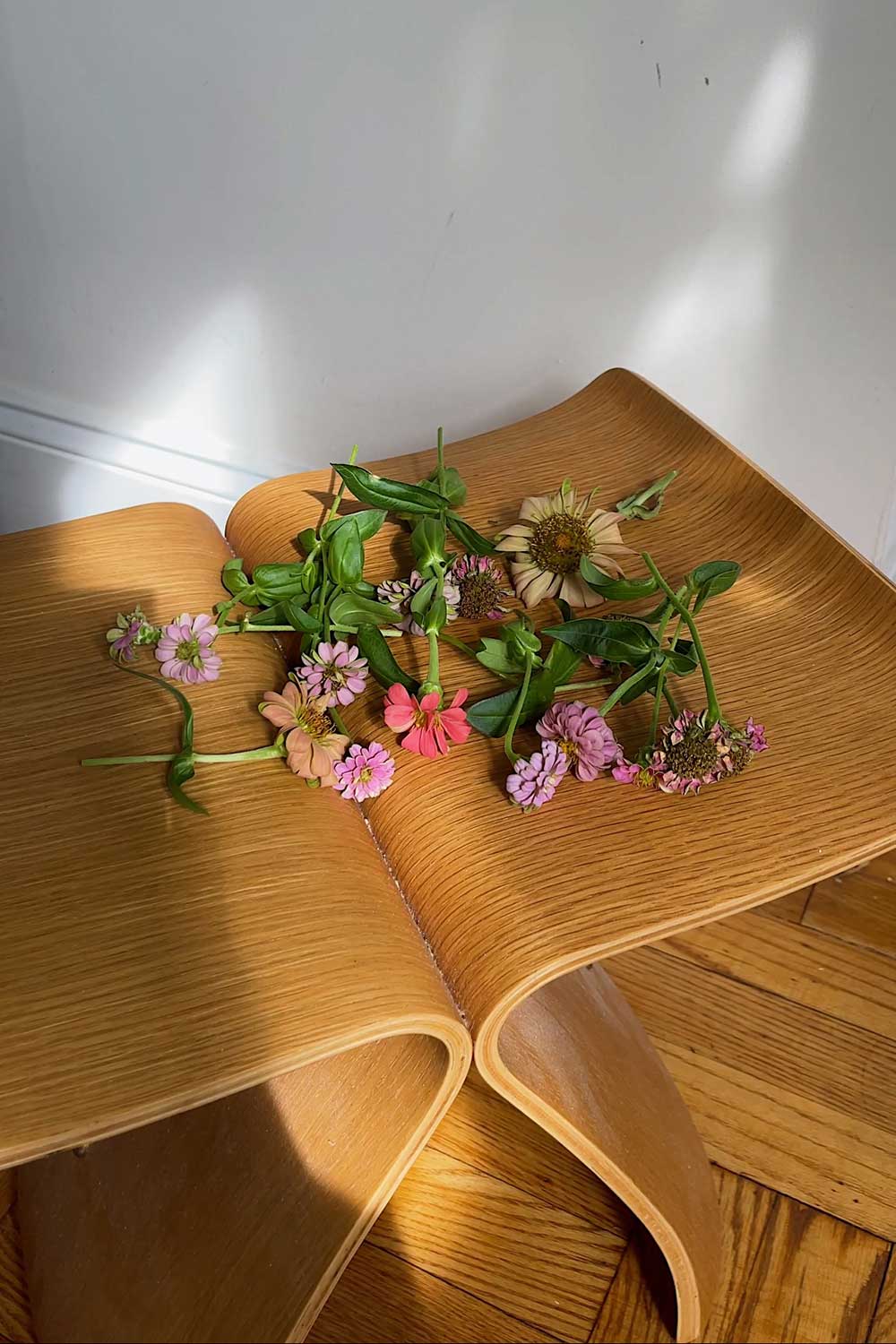
currently: the top of my hydroponic tower is sprinkled with these colorful wildflowers
Growing Flowers Indoors
I’d never really attempted to grow flowers in my hydroponic gardens.
I guess I used to think they were a waste..
Which is funny because I love flowers.
I love gifting + receiving bouquets, I take 50 million photos of flowers on my daily walks, and I always pop into a garden if I’m traveling.
There’s nothing more uplifting for your mood then getting a flower bouquet or a little orchid plant ‘just because’.
As I write this, I guess I feel very touched when receiving gifts ha.
(I’m not that materialistic, I swear)
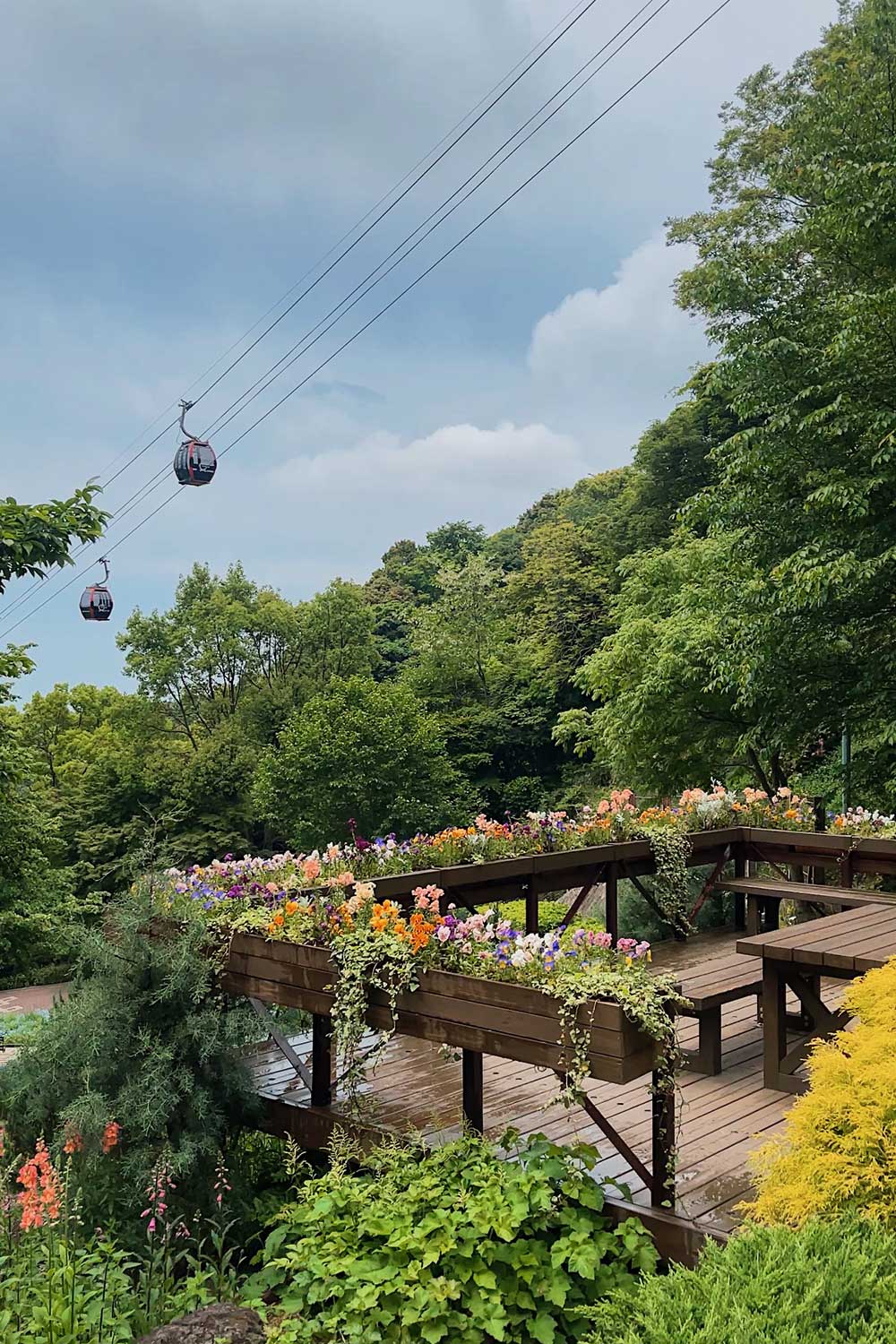
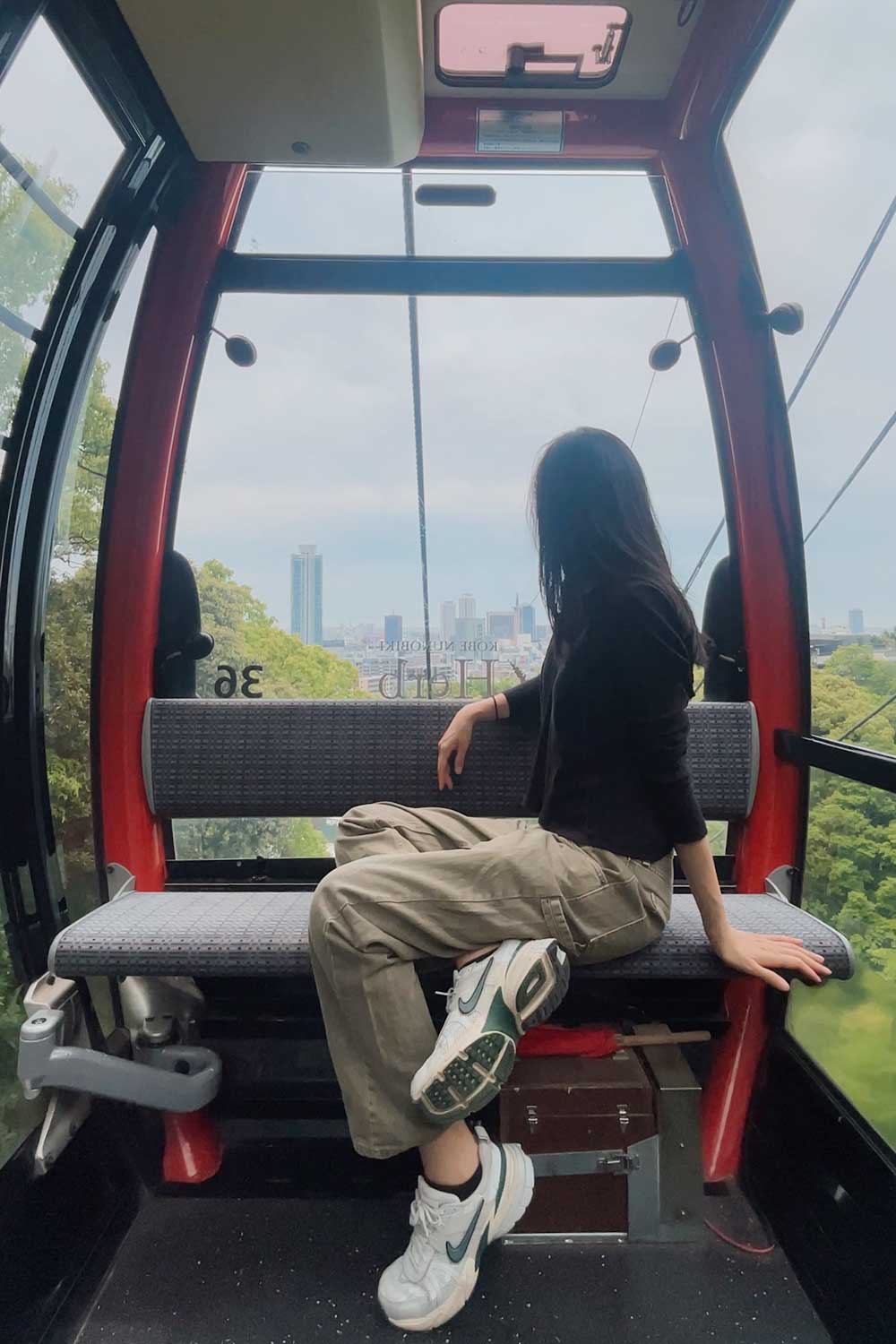
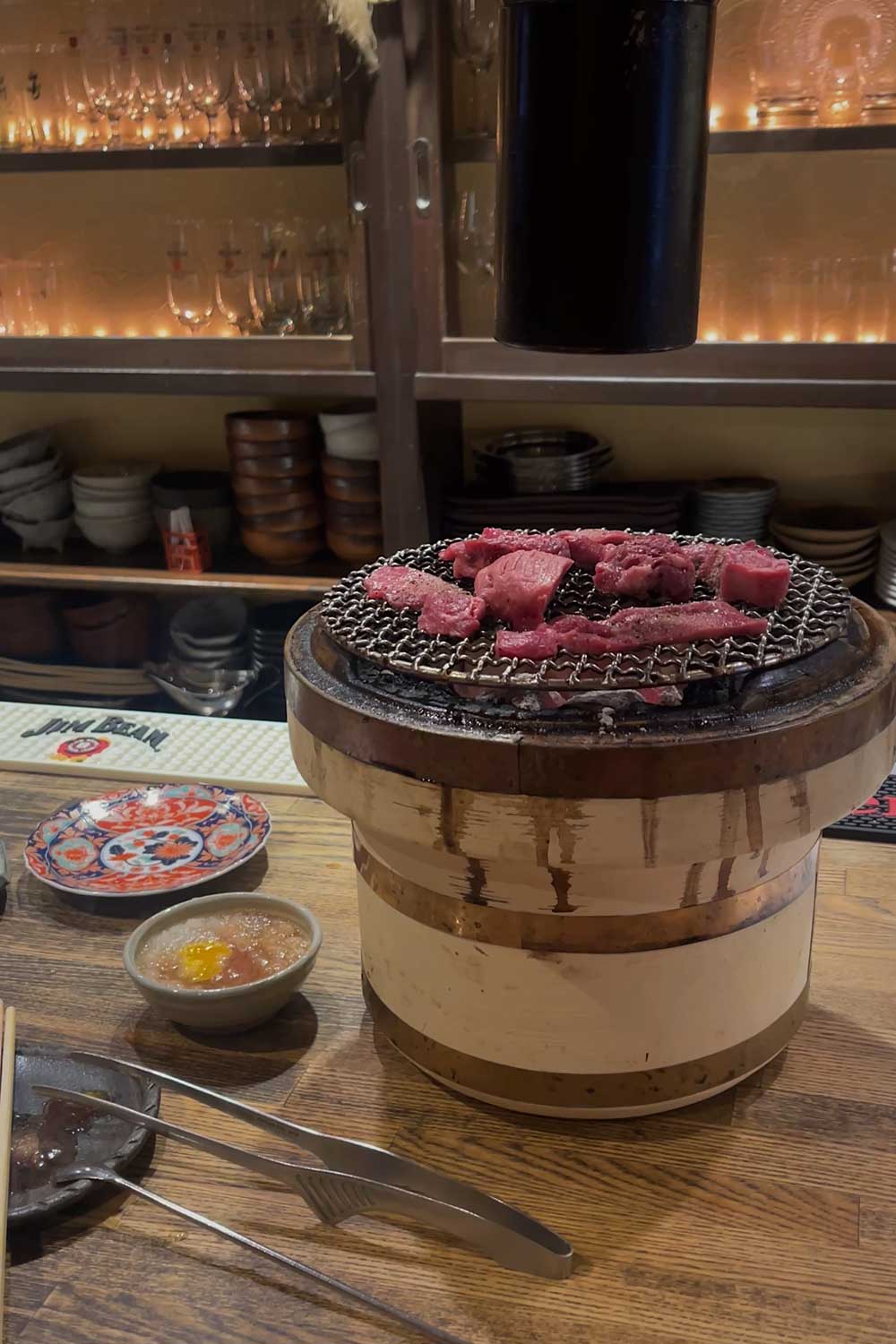
on a recent trip to Japan, I had a little solo day and spent it at the Nunobiki gardens in Kobe. Highly recommend if you’re ever in the Osaka area! It was so beautifully maintained and reminded me of Animal Crossing or Stardew Valley. Other highlights in Kobe: A5 wagyu, grilled over binchotan charcoal and a flight of Japanese whiskey. My idea of the perfect solo day…
Anyway, seeing the cute illustrated flower packets sparked some sort of inspiration!
I planted these junior sunflowers, these petite violas and these mixed zinnias.
The sunflowers unfortunately never bloomed – even though these are a dwarf variety, they still get pretty tall.
I’ll have to re-experiment with those.
I’ve gotten tons of little blooms popping up all throughout my indoor tower though, popping up in between my veggies, and it’s like cute little pops of color.
And I’ve bookmarked lots more container-friendly flower varieties to try out next.
Here are some tips to getting started if you’d like to give flowers a go indoors!
The Indoor Gardening Guidebook
I wrote down everything I know about Indoor Gardening!
My exhaustive 175+ ebook takes you from black thumbs to expert indoor gardener in one, easy-to-read digital guide:
By the end of it, you'll know exactly how to grow your own pesticide-free produce (no matter the size of your home)!
Take a look inside the book here.
Flowers Love Hydroponics
A little secret most soil gardeners don’t realize: flowers are actually perfect for hydroponic gardening!
When you grow in soil, a plant spends enormous energy developing roots and growing them outward, in search of nutrients.
In an indoor garden, the roots are bathed in a perfectly balanced nutrient solution 24/7.
That frees up a lot of energy, which the plants can redirect into producing blooms.
Like with hydroponic vegetables, growing flowers indoors means a virtually limitless growing season, so you can have fresh flower bouquets all year round.
Other benefits of hydroponically grown flowers:
They
- Bloom faster than their soil-grown counterparts
- Are free of soil-borne diseases and pests
- Produce more flowers per plant
- Last longer once cut
But to me, the best part of using an indoor garden is no weeding, no muddy gloves and no slugs.
Fun Fact: Commercial cut flower farms have used hydroponics for decades. Roses, daisies, and carnations grown in greenhouses around the world are almost all soil-free. Next time you buy flowers at the grocery store, there’s a good chance some were grown hydroponically!
The Best Flowers to Start With
Not every flower takes to hydroponics equally.
Something I never realized until I started growing them myself is that flowers can grow quite tall, around 3-4 feet.
Most indoor gardens are compact, with about 1-2 feet of grow space.
I especially like my larger indoor gardens for growing flowers, since they have more space. So far, I’ve mostly used my Farmstand for flower experiments.
Whichever garden you have, you’ll most likely want to focus on beginner-friendly types and compact varieties.
Here are 5 flowers I’d recommend for for beginner indoor gardeners:
Marigolds
Marigolds are tough, fragrant, fast-growing, and they produce loads of blooms.
They’re also naturally pest-repelling, not that you’ll have many pests in a hydro setup.
But if you also have soil plants in the house, growing marigolds will be a nice bonus to keep the bugs at bay.
Zinnias
Zinnias are incredibly forgiving, so they’re the perfect flower to start out with as a beginner to indoor gardening.
They come in a wide range of colors and shapes, so you can still have lots of visual variety even though you only plant one type.
Unlike lots of flowers, zinnias are what’s called ‘day-neutral’ – they’ll bloom regardless of how many hours of light they get.
No need to fiddle with light schedules to trigger flowering, just grow and enjoy.
In fact, to give you an idea of how easy zinnias are to grow:
The International Space Station took some aboard in 2016 and they were the first flower to ever bloom in space!
NASA used a hydroponic-style system, naturally :)
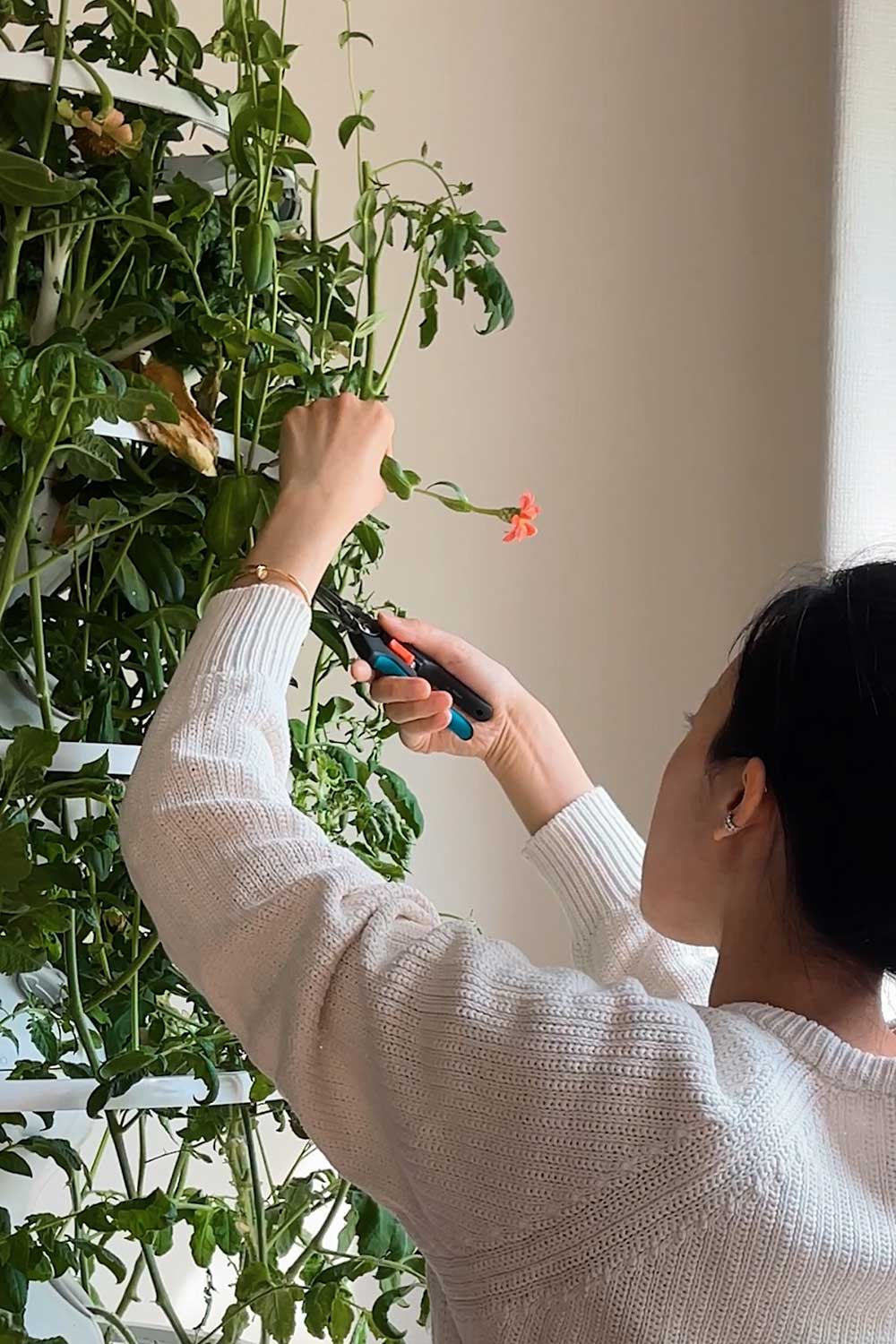
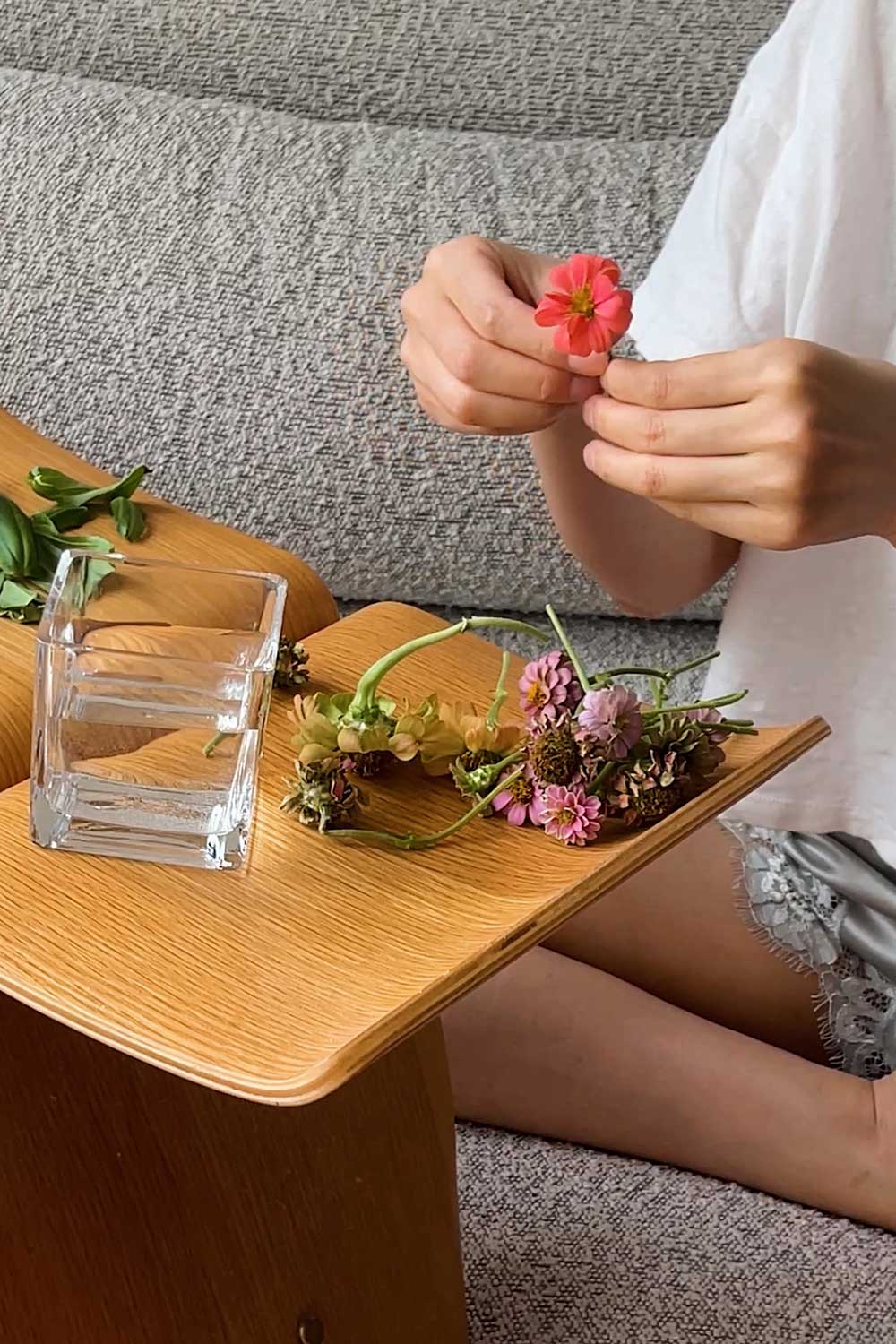
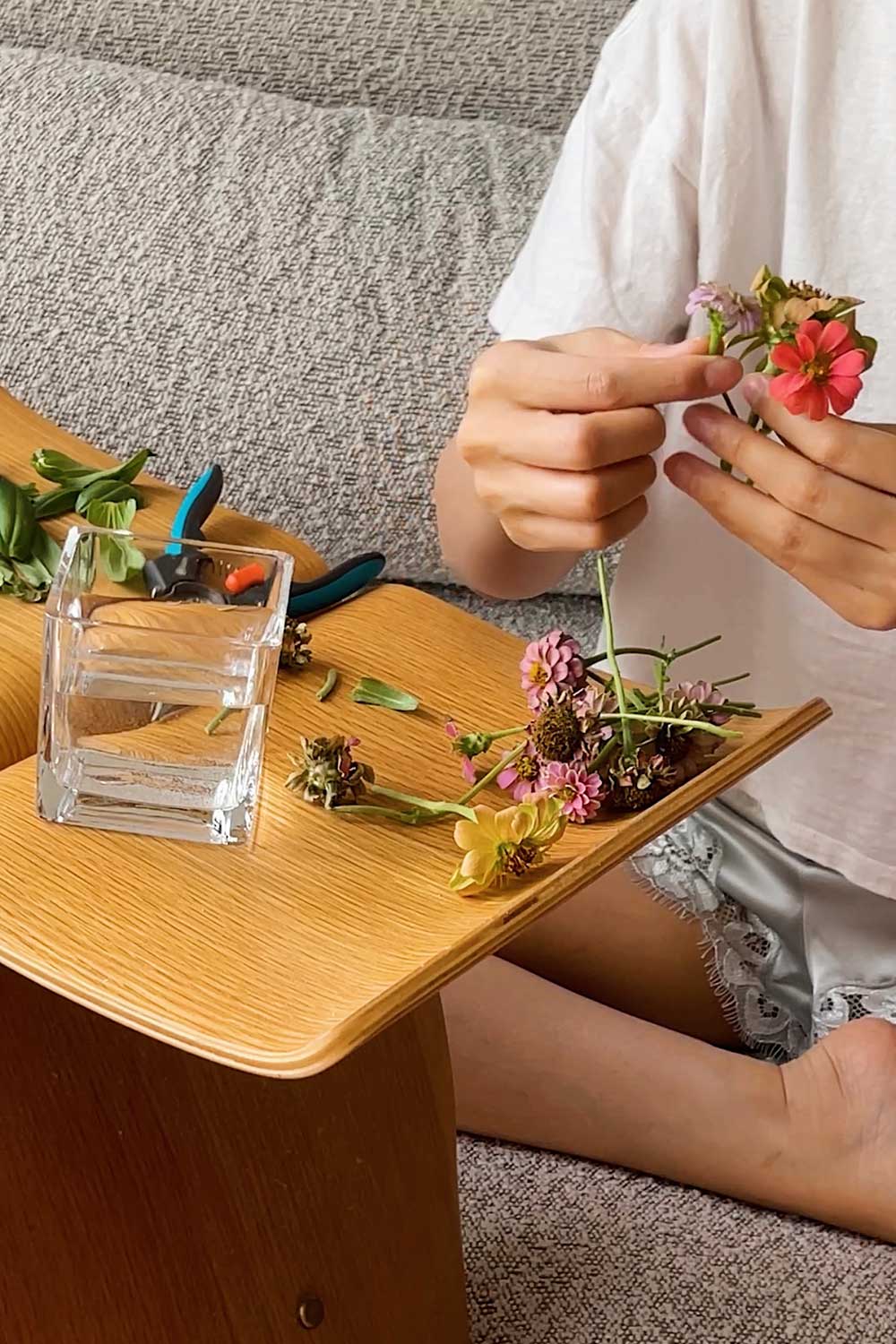
zinnias are low effort, high reward. I planted a couple seeds from just 1 seed packet on the top portion of my Farmstand and out grew a whole rainbow of zinnia colors!
Violas
Violas are surprisingly tough little plants, despite their dainty appearance.
They take to hydroponics like ducks to water and produce cute, cheerful little flowers.
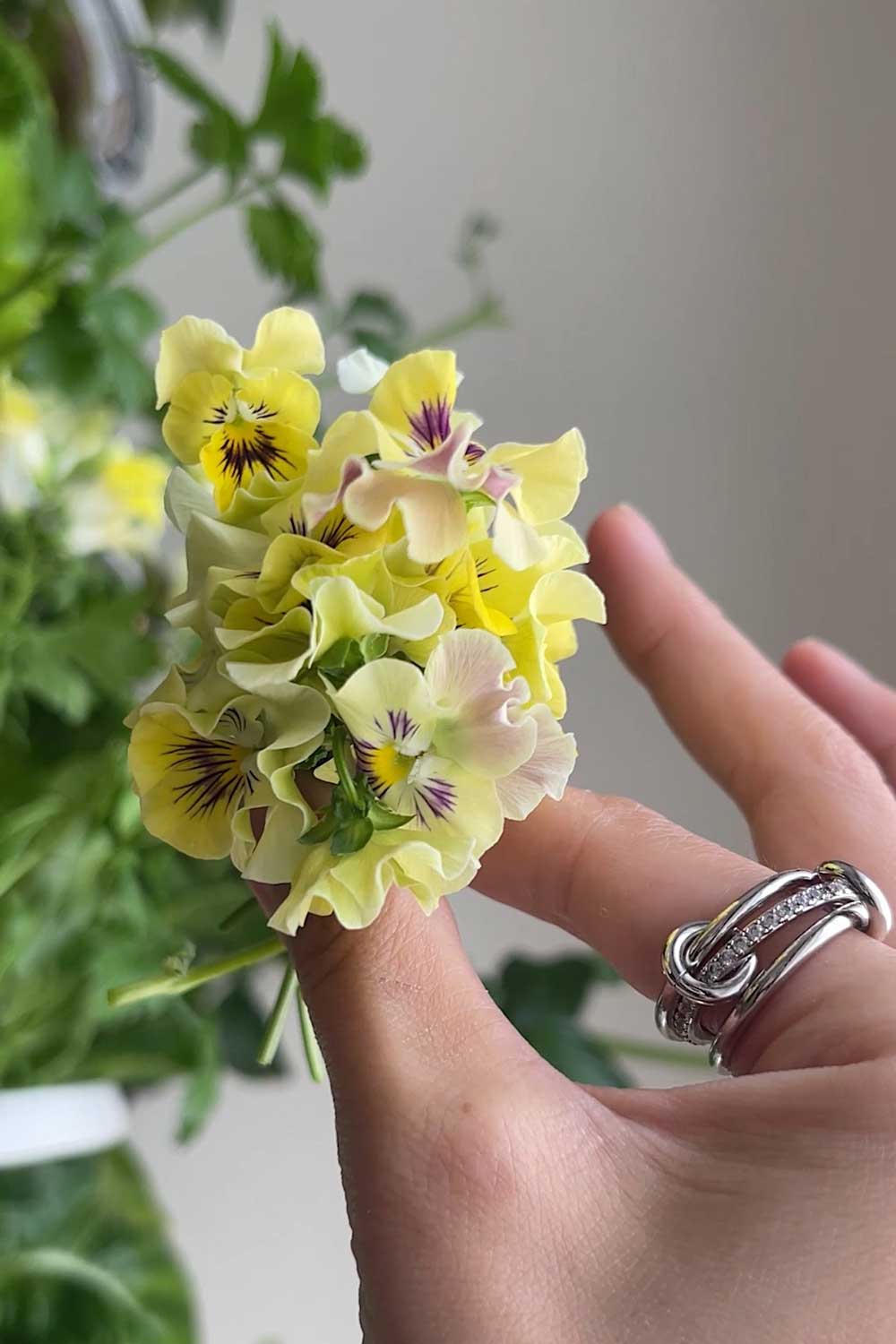
The pansy-like blooms come in deep purples, sunny yellows, and soft whites, often with charming little “face” markings at the center.
Violas prefer cooler temperatures (around 60–65°F), so they’re ideal if your home or apartment runs on the chilly side.
They’ll actually outperform many other flowers in these cooler conditions.
The best part is violas are compact growers, so they’ll fit neatly into a countertop indoor garden without demanding much space or support.
Violas are a nice compact option, especially for apartment gardens.
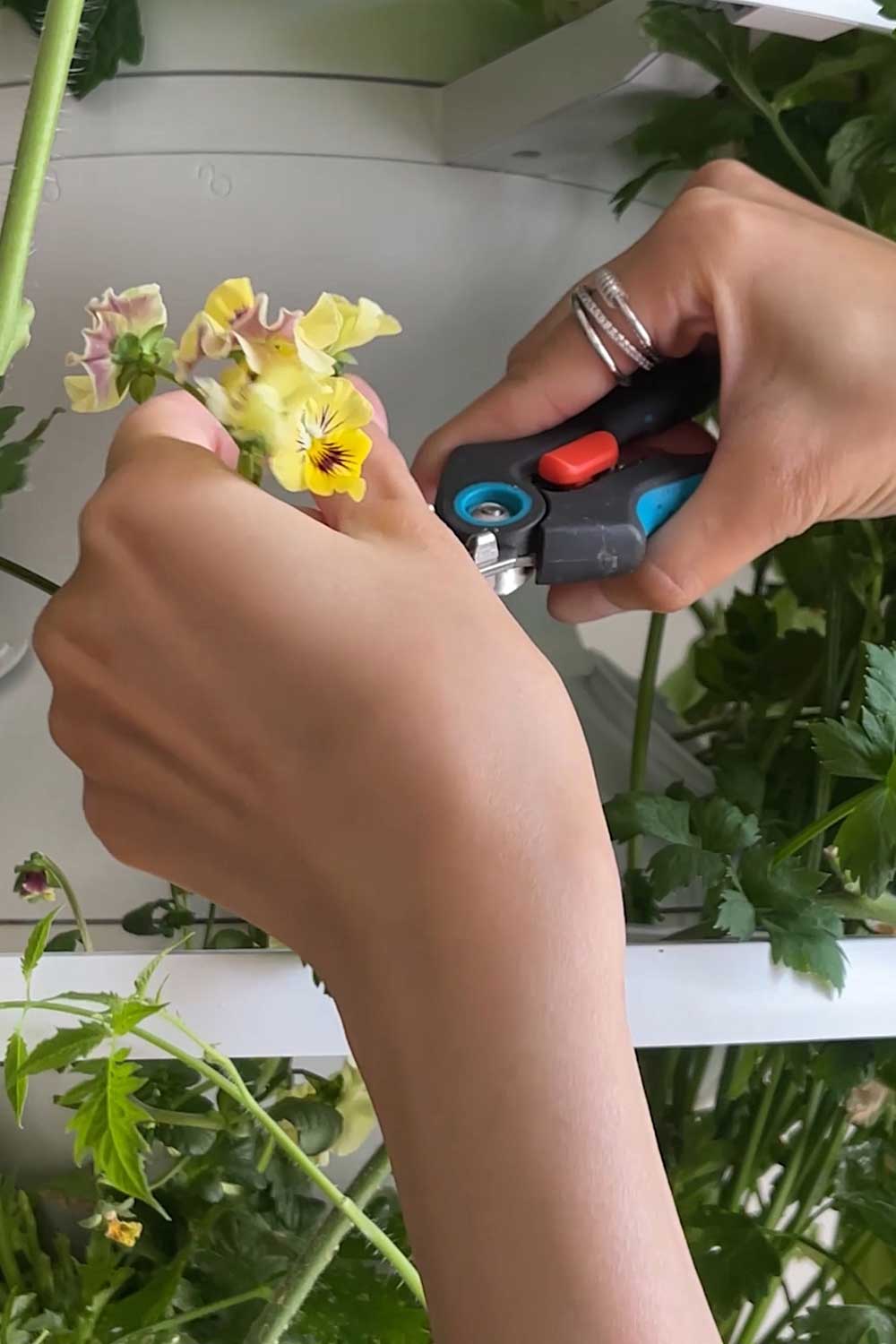
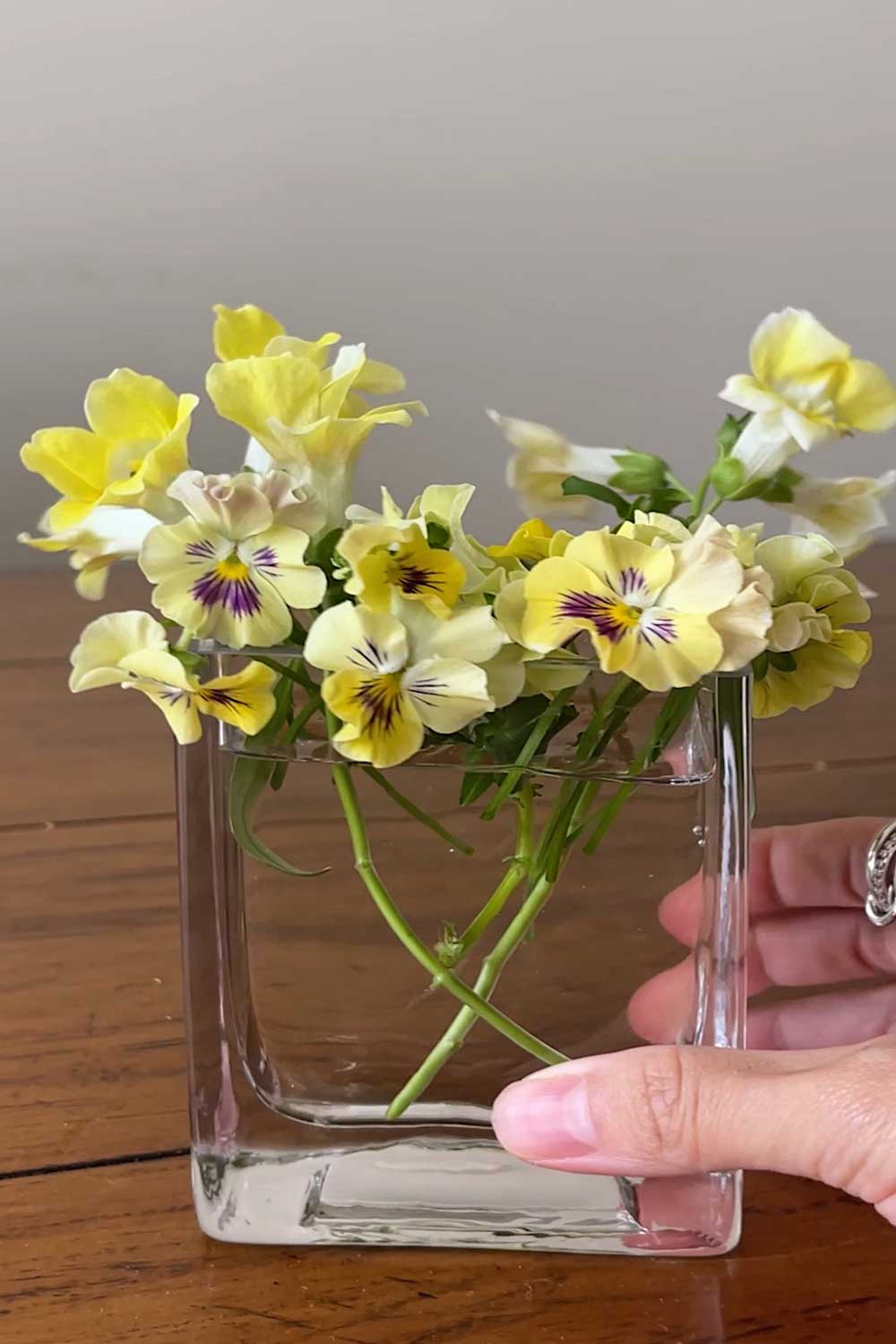
This extra compact variety produces cute, tiny blooms. I planted it last summer and was able to collect mini bouquets to use all over the house for months!
Violas are also very prolific bloomers.
The more you cut, the more they flower.
Violas are also completely edible!
I didn’t realize this until someone commented on Instagram to let me know. I was just letting my bird eat them all… he loves violas.
Violas have a mild, slightly grassy flavor and are apparently a favorite with pastry chefs and cocktail mixologists, to use as culinary decoration.
Grow them hydroponically and have a 2-in-1 right on your windowsill: garnish + bouquet!
The Indoor Gardening Guidebook
I wrote down everything I know about Indoor Gardening!
My exhaustive 175+ ebook takes you from black thumbs to expert indoor gardener in one, easy-to-read digital guide:
By the end of it, you'll know exactly how to grow your own pesticide-free produce (no matter the size of your home)!
Take a look inside the book here.
Lavender
Lavender is slower to establish than the others.
But it rewards your patience with gorgeous purple blooms and an incredible fragrance that permeates the whole house.
It also doubles as an herb, so lavender does double duty!
Dry the flowers and use them in cooking or sachets.
I like to put a bundle in a little satchet like this and stick them in my dresser drawers to keep my clothes fresh.
And I use these muslim cloth bundles whenever I use herbs for cooking.
Lavender doesn’t like wet roots, make sure not to overfill the water reservoir if you’re using a small countertop garden.
Or, use an aeroponic tower setup like the Farmstand so that the roots aren’t sitting in water.
Read more: The Best Vertical Indoor Gardens
Gerbera Daisies
If there’s a poster child for hydroponic flowers, it’s the gerbera daisy.
They grow fast, produce bold cheerful blooms in almost every color imaginable, and absolutely thrive in DWC-style indoor gardens.
Plus, they’re quick to flower!
You can expect flowers in about 8–12 weeks post transplant.
This is one flower variety I recommend starting from seedling, rather than from seed.
They can have a long germination period so the head start when buying seedlings will make a big difference.
Follow me on
Youtube | Tiktok | Instagram | Substack | ShopMy


