
Whenever anyone asks me how to get started with indoor gardening, my answer is always the same: start with herbs.
Why?
Because herbs are easy to grow, so they’re great for beginners.
And there are so many fun, unique herb varieties you just can’t get unless you grow them yourself.
Plus, herbs give you the highest ROI so if there’s one plant category to grow vs buy, it’d be herbs.
Trust me, once you start growing your own, you’ll wonder why you didn’t do it sooner!
Having fresh herbs on hand whenever I need them has been a game-changer for me.
Not only does it save money (goodbye overpriced grocery store herbs!), but they also taste so much better than those dried plastic clamshells that never seem to have any flavor.
Plus, there’s something so satisfying about snipping off fresh basil or parsley right before using it in a dish.
If you’re ready to dive into growing your own, here’s everything you need to know about starting an indoor herb garden.
How to Grow Herbs Indoors
Beginner Tips
To kick things off, I highly recommend using a hydroponic setup for growing your herbs indoors.
Instead of traditional soil, hydroponic gardens grow plants directly in water.
This setup allows the plant roots to absorb nutrients directly from the water, which results in faster growth and healthier plants overall.
You’ll also skip the mess of soil, and it’s much easier to maintain.
Plus, it cuts down on the risk of pests, indoor diseases, and dirt, so it keeps your home easy and clean.
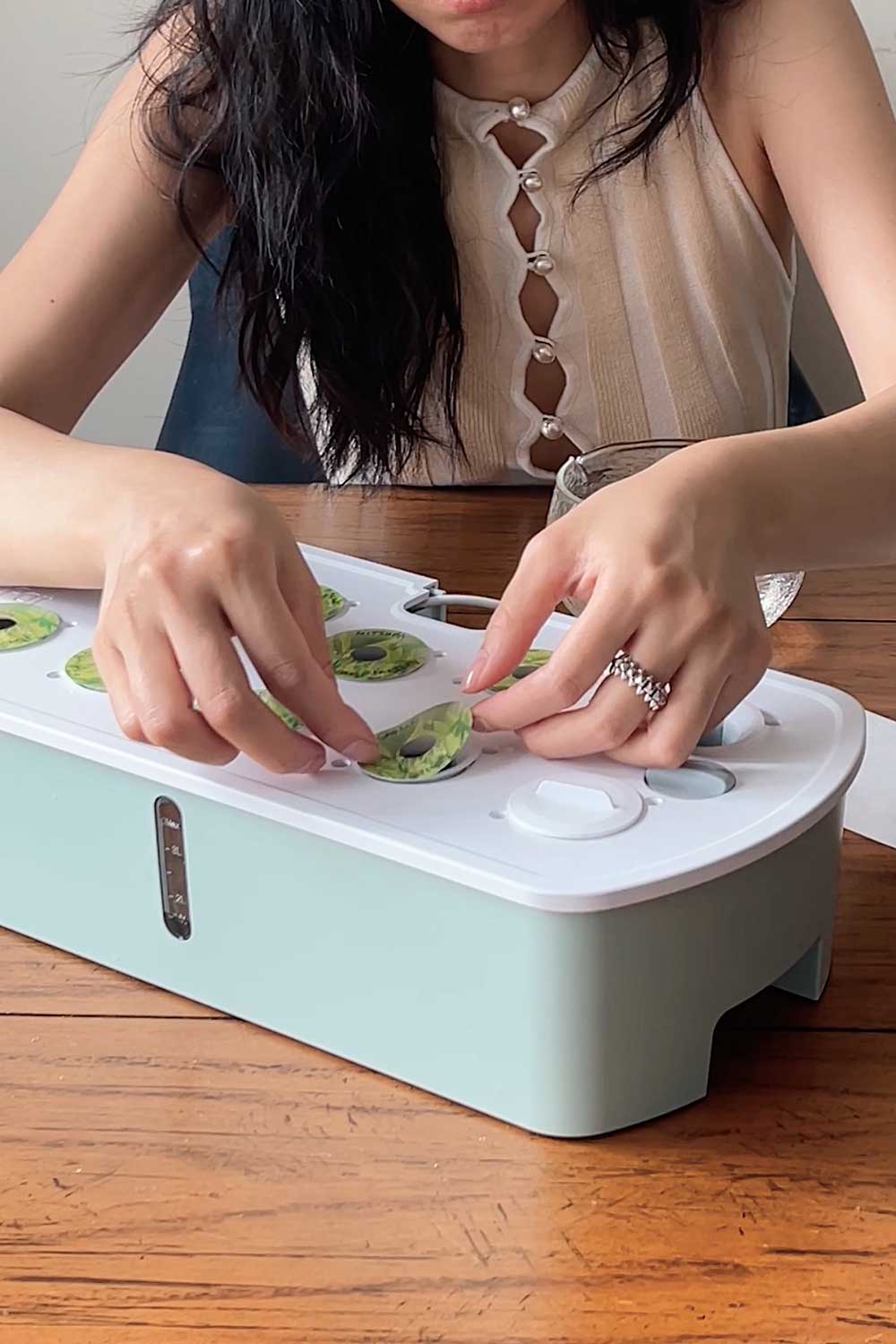

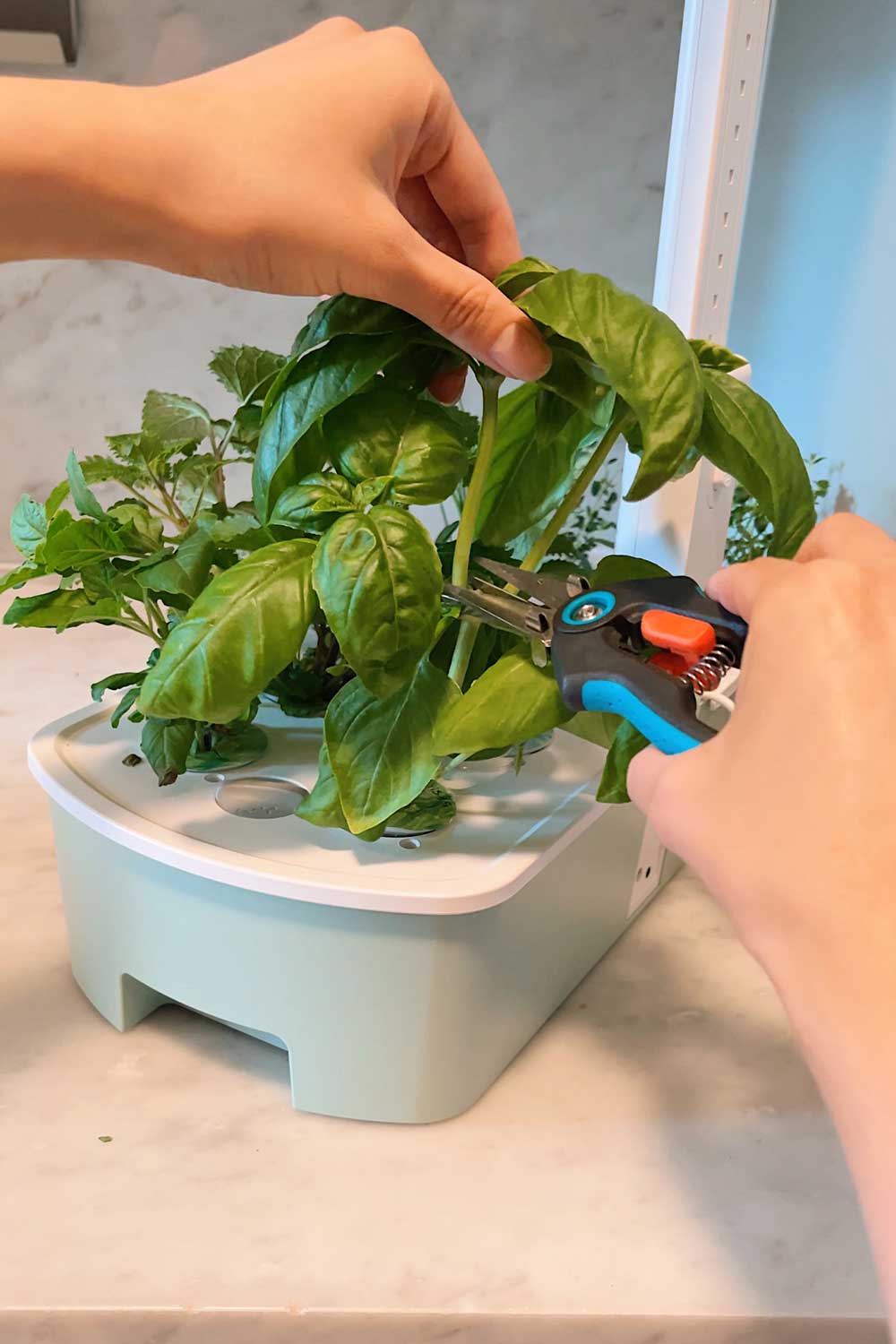
growing herbs in a hydroponic countertop garden is the easiest way to have fresh herbs indoors, all year round
The Indoor Gardening Guidebook
I wrote down everything I know about Indoor Gardening!
My exhaustive 175+ ebook takes you from black thumbs to expert indoor gardener in one, easy-to-read digital guide:
By the end of it, you'll know exactly how to grow your own pesticide-free produce (no matter the size of your home)!
Take a look inside the book here.
Another bonus?
You can grow herbs year-round!
Hydroponic gardens give your plants a steady supply of nutrients, meaning you can grow fresh herbs all year long.
Yes, even in the dead of winter.
If you’re wondering where to start, I recommend checking out either of these indoor garden setups: this one or this one.
They’re both compact, all-in-one machines that are super affordable and perfect for beginners.
But the number one reason to grow herbs like this?
It makes it practically foolproof!
If you’ve tried to keep houseplants alive and failed, or struggled with getting enough harvests in an outdoor garden, hydroponic setups are a game changer.
These countertop indoor gardens come with integrated LED lights.
These run on an automated schedule, providing water, light and nutrition so your plants have everything they need to thrive.
And, they allow you to grow indoors all year round, so you can have fresh herbs on your countertop even in the dead of winter.
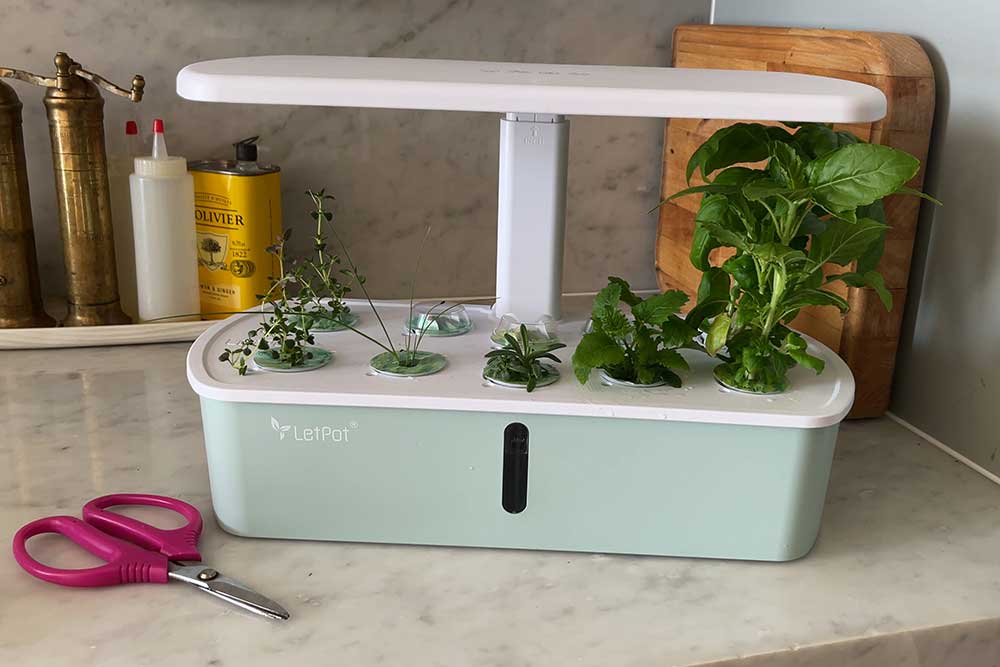
You can learn everything you need to know about starting seeds, flowering, transplanting and propagation by using these indoor gardens.
They’re perfect for beginners!
But even if you’re an experienced gardener, hydroponic systems are great for growing fresh herbs indoors during the winter months.
A lot of outdoor gardeners use the indoor gardens to start seedlings to later transplant outside.
What herbs can I grow indoors?
Most herbs are pretty easy to grow indoors, so the sky’s the limit.
Here are some beginner friendly herbs I’d recommend, along with the unique specialty options I’ve enjoyed growing:
Basil

Basil is hands down the easiest herb to grow indoors.
It’s perfect for beginners and the payoff is huge, so it’s always the #1 plant I recommend starting with.
Fresh basil has so much more flavor than store-bought basil.
It’s why grocery stores will often sell little basil plants!
Basil is just so much better when fresh.
You can use homegrown basil in lots of different ways. Some of my favorites are:
- homemade pesto
- topping pizzas
- basil, burrata and tomato salads
- incorporating it into dressings, etc!
And it helps to have a long recipe list because basil grows pretty quickly. You’ll have buckets of basil in no time.
Basil loves full sun and warm temperatures, so you could even grow it in kratky jars on a sunny windowsill.
I wrote a step-by-step guide on how to make them here, or I also have a video tutorial on Youtube here.
Basil sprouts in 1-3 days, so I recommend starting it from seed.
There are so many unique varieties of basil that you won’t find in the grocery store, so instead of going with a regular genovese basil… why not try something unique?.
Go for Thai basil, purple basil or lemon basil for a fun twist.
I always try to have holy basil growing, because I love making Thai basil fried rice.
Shop basil seeds: Botanical Interests, Renee’s Garden, True Leaf Market, Amazon
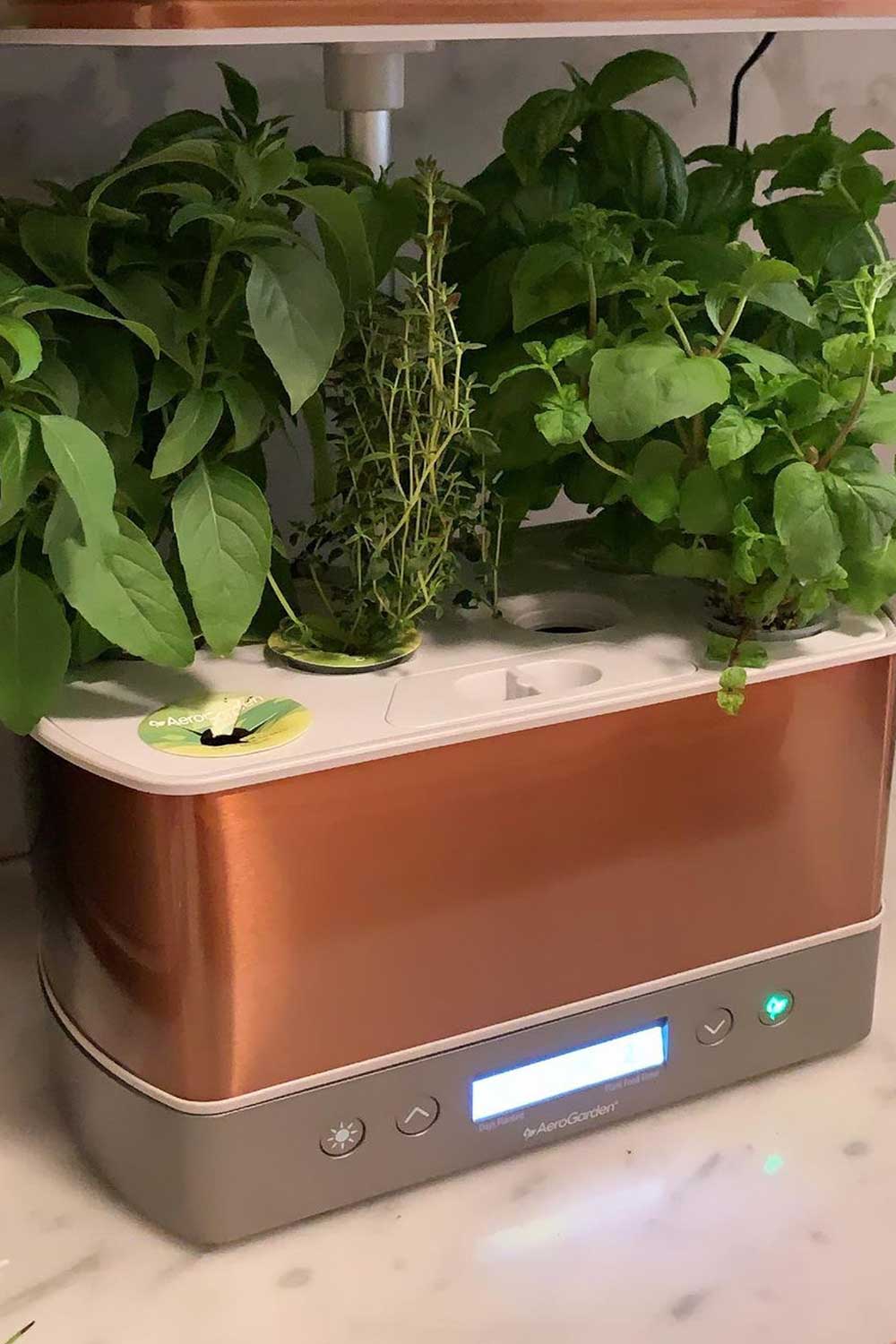
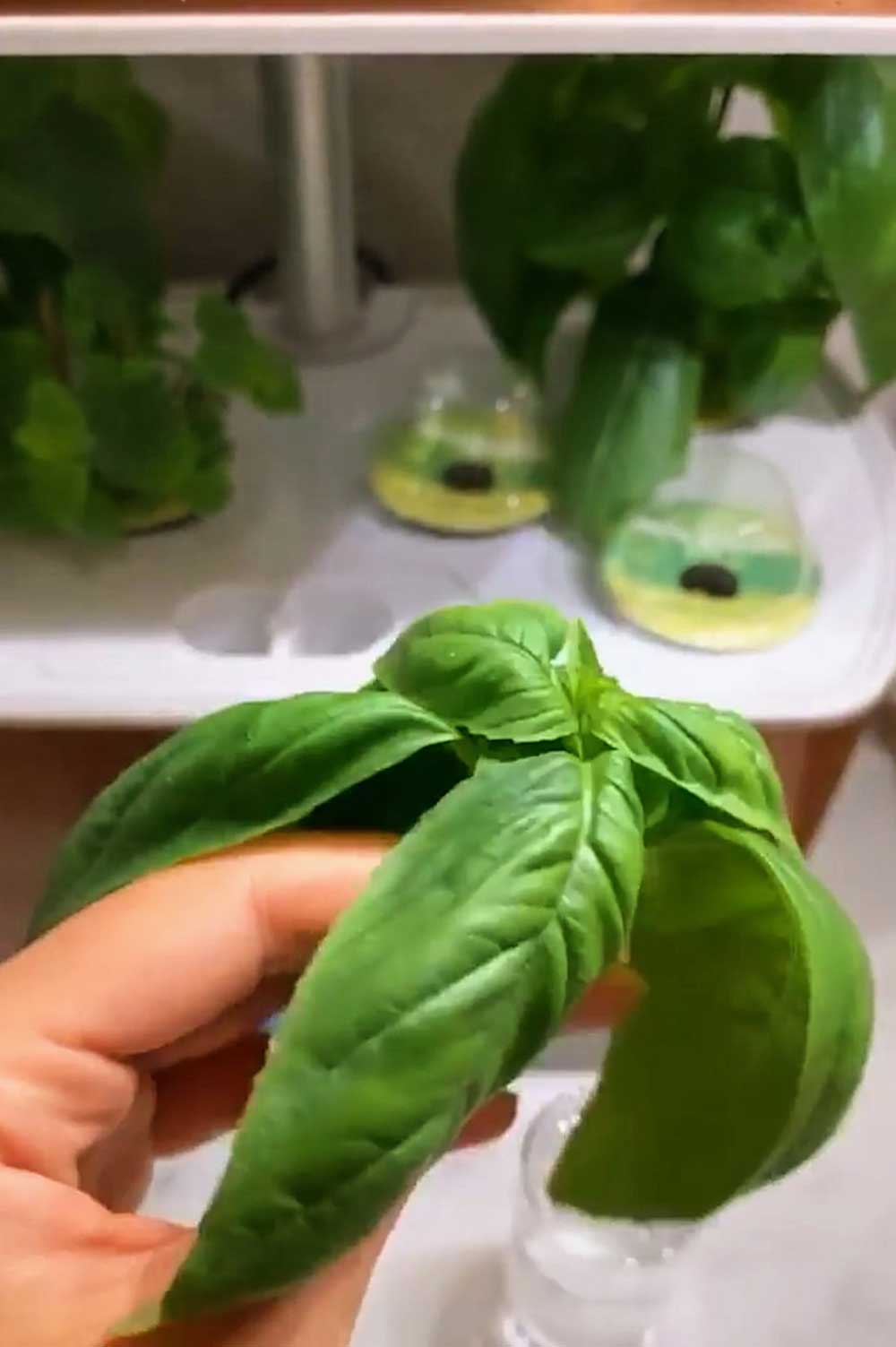
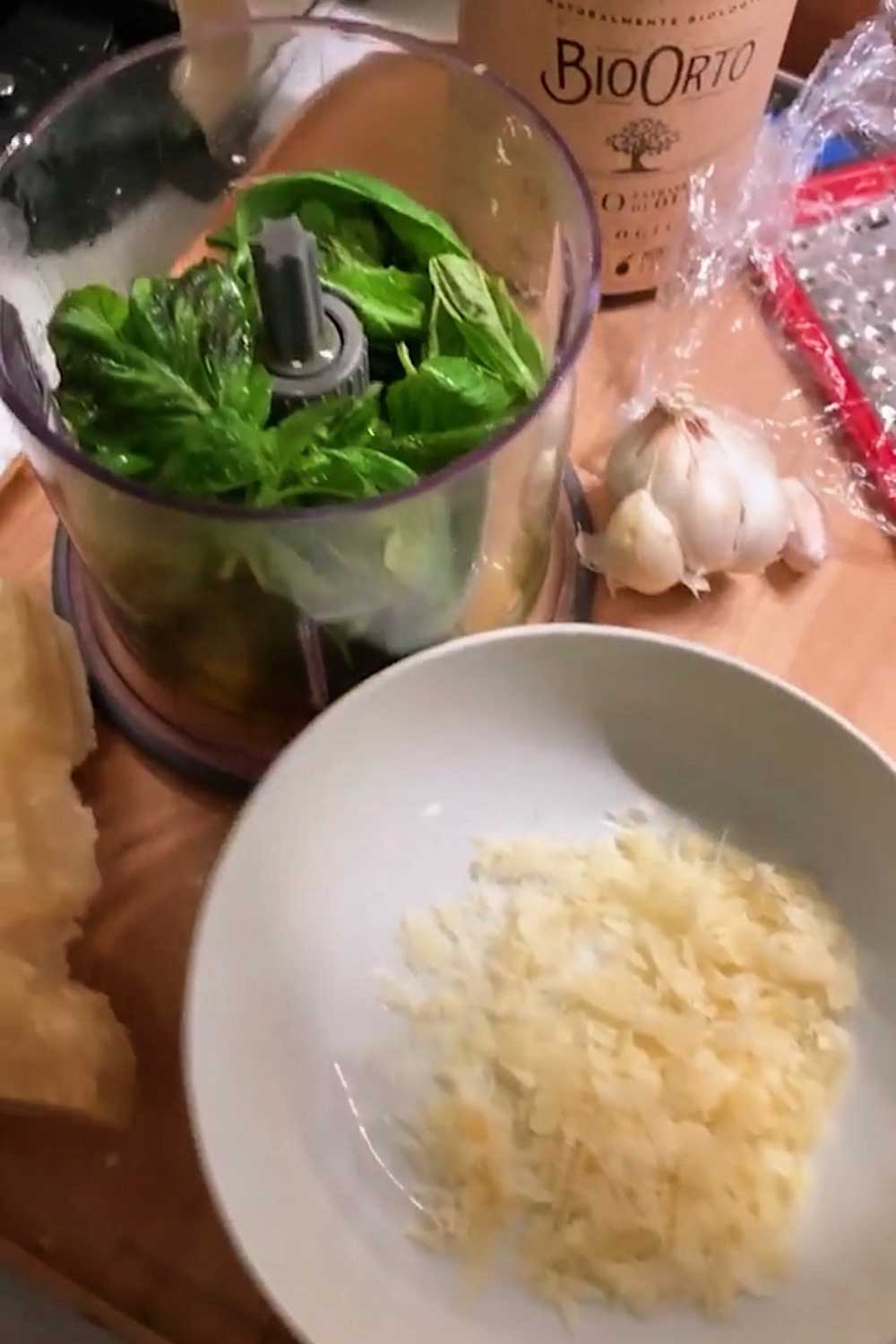
growing your own basil is so easy and so much more flavorful than the basil packets at the grocery store
Mint
Mint grows so easily… it’s practically a weed!
Outdoors, you’ll definitely want to plant mint in its own pot, as it tends to spread and take over garden beds.
But indoors, in a hydroponic garden, you don’t have to worry about it taking over your space.
It will stay neatly contained in its pod, which is one of the beauties of growing herbs hydroponically.
I love using mint for cocktails, teas, and desserts—it adds a refreshing flavor that’s hard to beat!
Shop mint seeds: Botanical Interests, Renee’s Garden, True Leaf Market, Amazon
Cilantro
Cilantro can be a bit of a polarizing herb (you either love it or you don’t!).
Personally, I’m a big fan.
I use it as a garnish, chopped into salsas and guacamole, or to add a punch of flavor to salads, rice, and soups.
It’s also great blended into chutneys, pestos, and sauces.
Cilantro is used a lot in Southeast Asian cuisine, for a fresh, herb-y element so I always try to have some growing inside the house.
Cilantro can be a little slow to start from seed, so it’s more of an ‘intermediate’ level herb to grow…
But it’s just the start that’s tricky!
Once it gets going, it grows quickly into a lush bush.
Try Vietnamese cilantro for an extra fragrant variety – it’s one of my favorites.
Shop cilantro seeds: Botanical Interests, Renee’s Garden, True Leaf Market, Amazon
And if you want a step-by-step guide on how to get started gardening indoors, you can check out my ebook.
In it, I spill all my secrets from growing veggies indoors for the last 10 years:
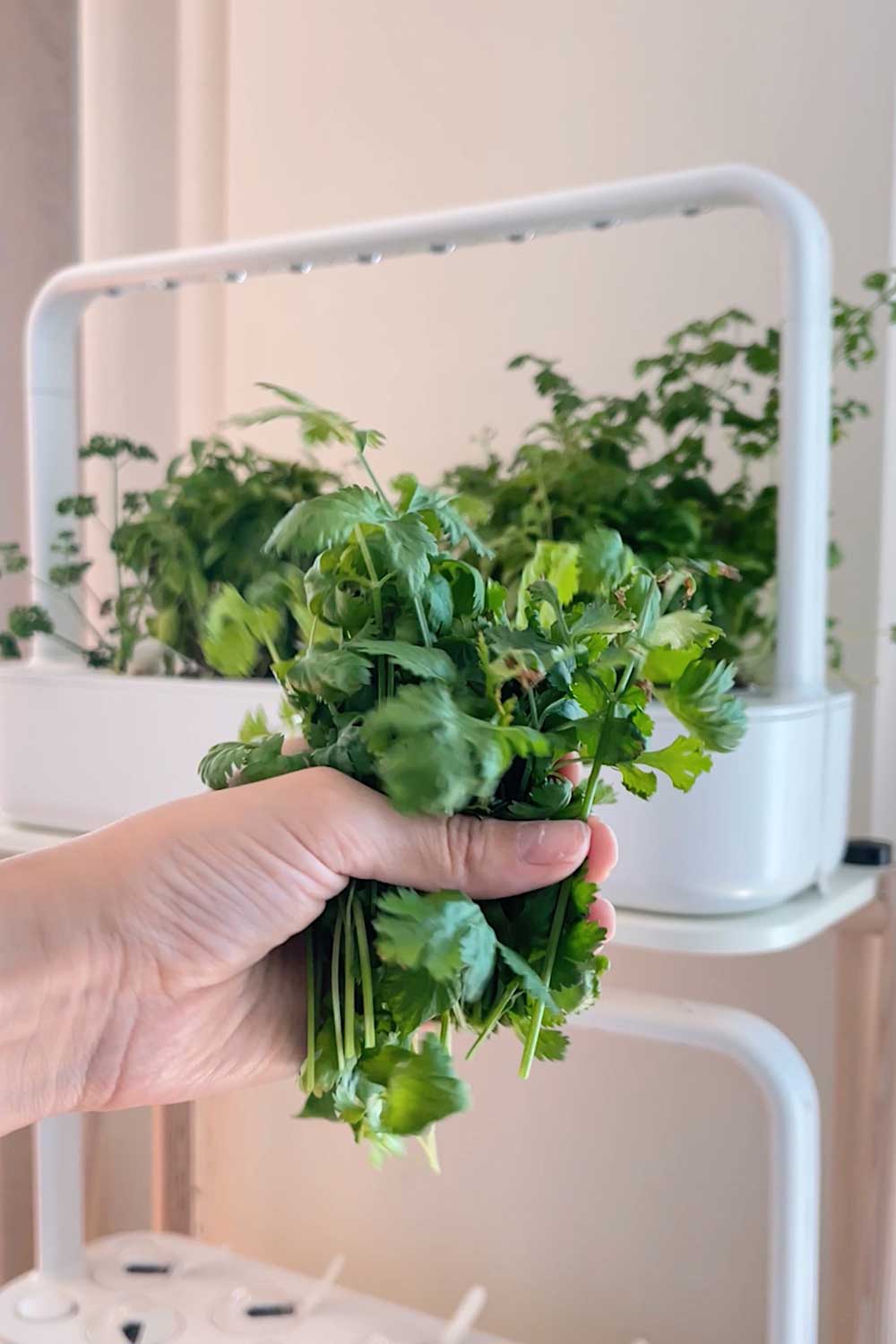
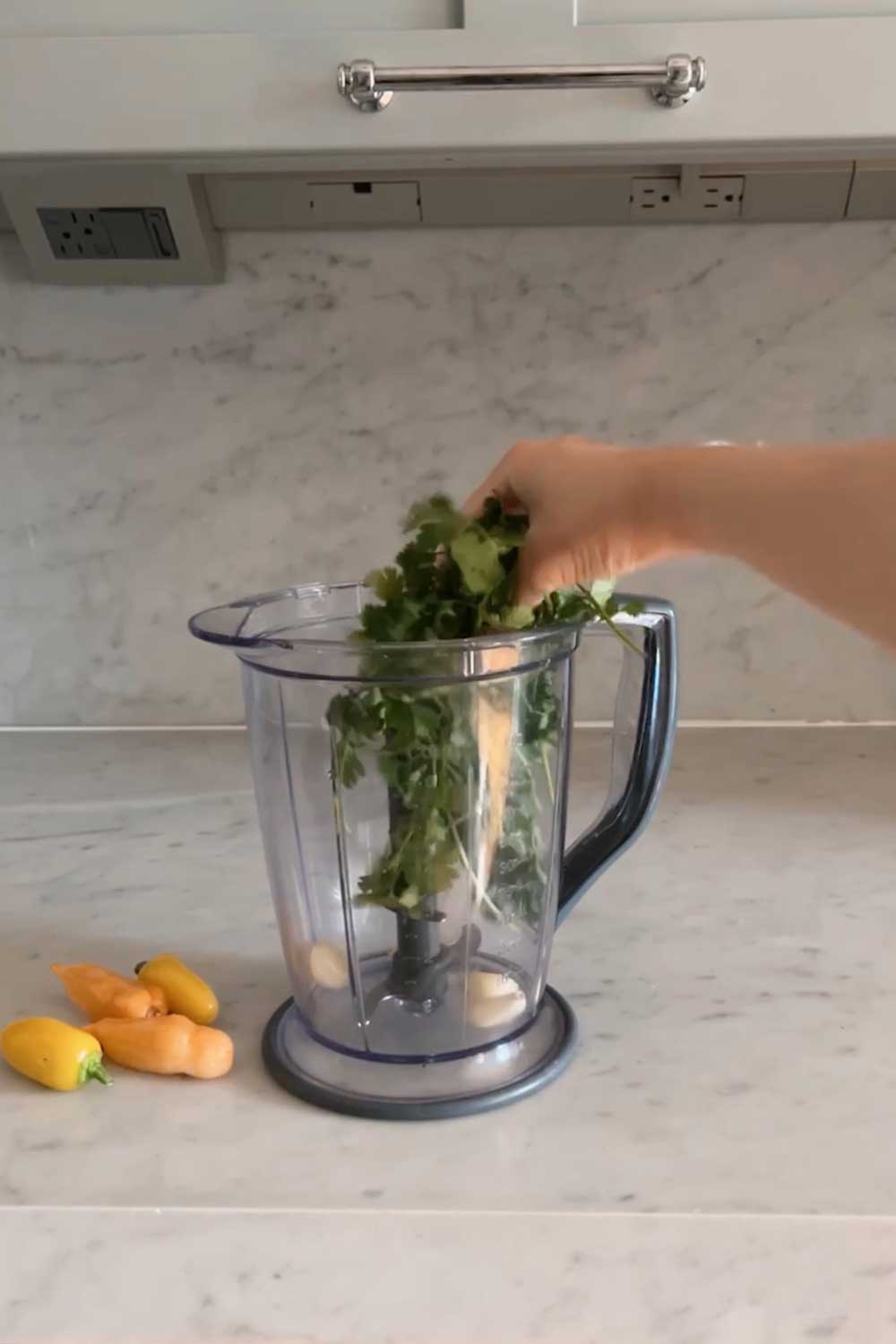
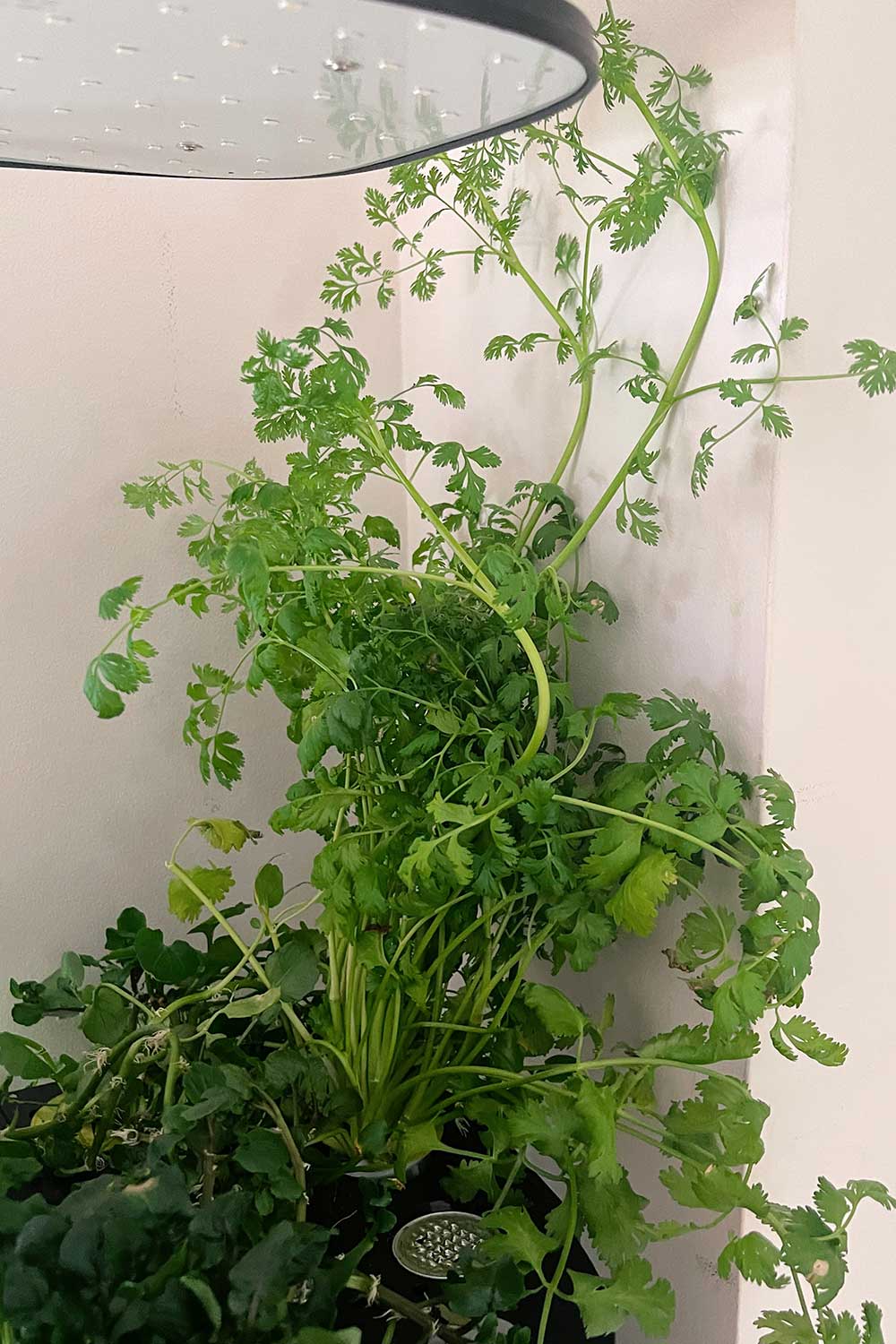
I constantly have cilantro growing in my indoor gardens!
Parsley
Parsley is another beginner-friendly herb that grows really well indoors.
It’s perfect for adding a fresh, mild flavor to a variety of dishes like salads, soups, and garnishes.
Plus, it’s packed with vitamins and nutrients, making it a great addition to your kitchen garden.
Parsley doesn’t need too much maintenance.
It’s also slow to start, but once grown, it can tolerate a variety of conditions.
You can grow parlsey from seeds, and then it’s usually ready to start harvesting in about 3-4 weeks.
Shop parsley seeds: Botanical Interests, Renee’s Garden, True Leaf Market, Amazon
Thyme
Thyme is a fantastic herb to grow indoors.
It’s perfect for adding flavor to savory dishes like roasted meats, vegetables, and soups.
It’s a low-maintenance herb that prefers bright light and is also drought tolerant.
When it’s ready to harvest, simply snip off sprigs as needed.
The more you trim it, the fuller and bushier it will become!
You can also dry it to make your own dried thyme.
Shop thyme seeds: Botanical Interests, Renee’s Garden, True Leaf Market, Amazon
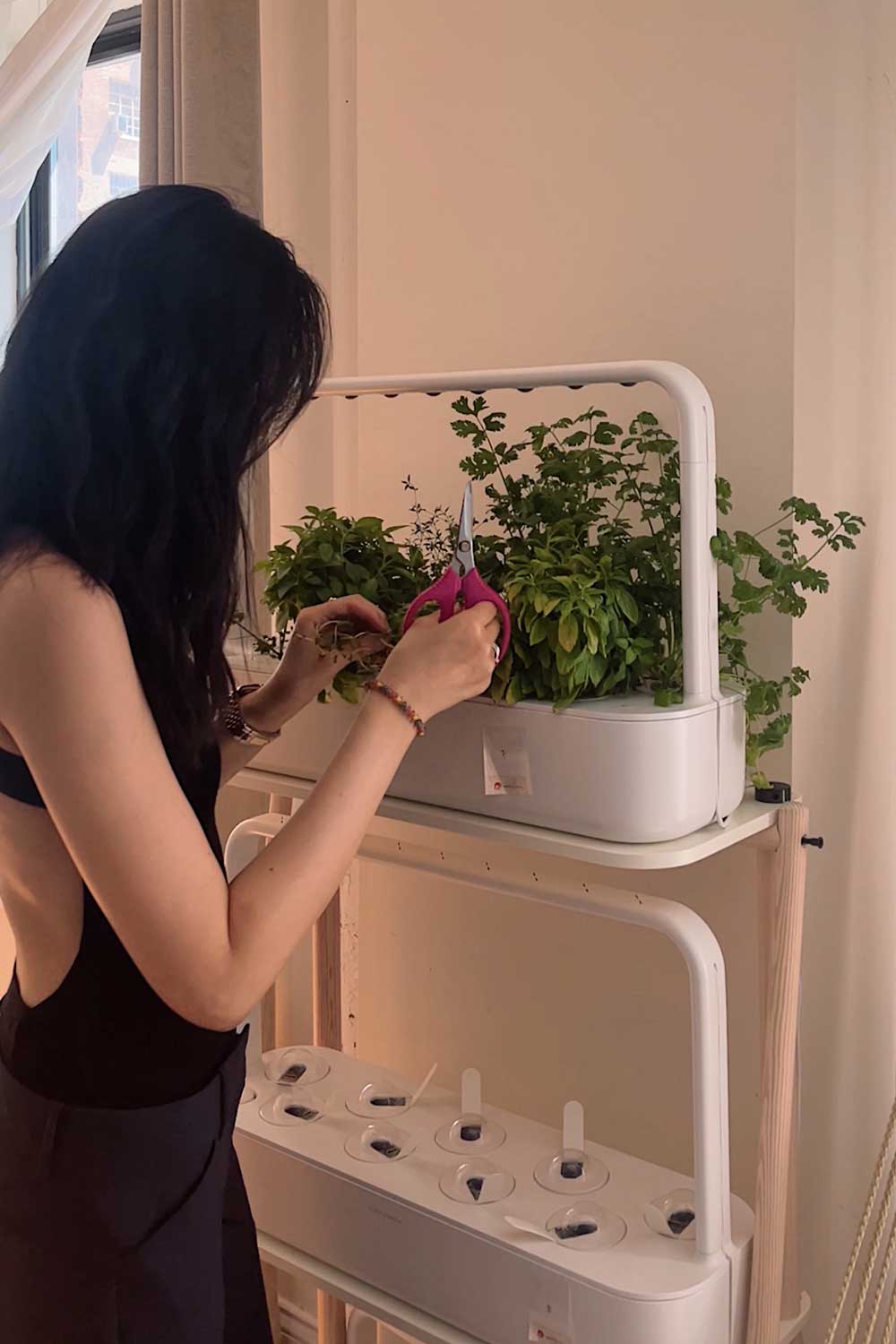
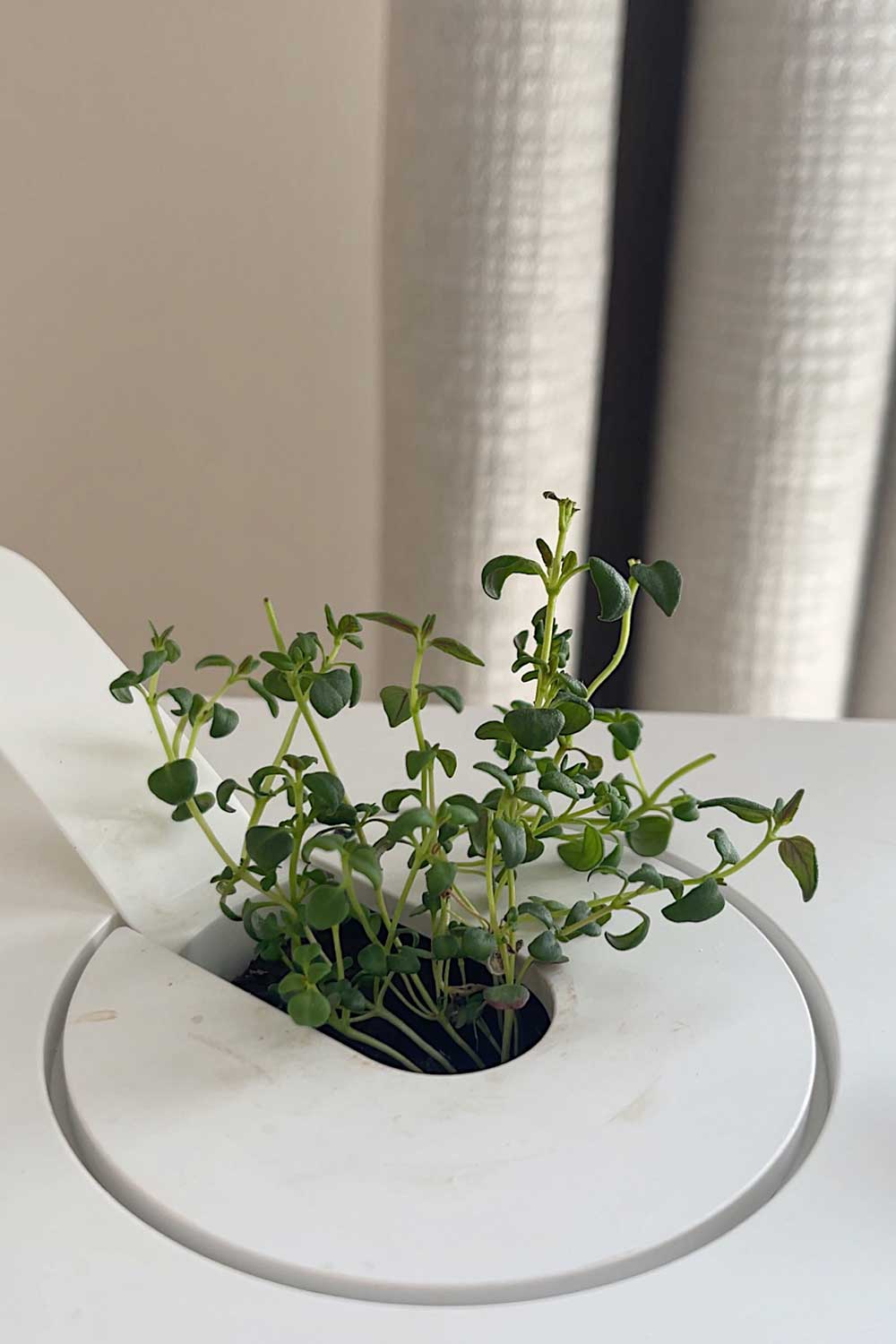
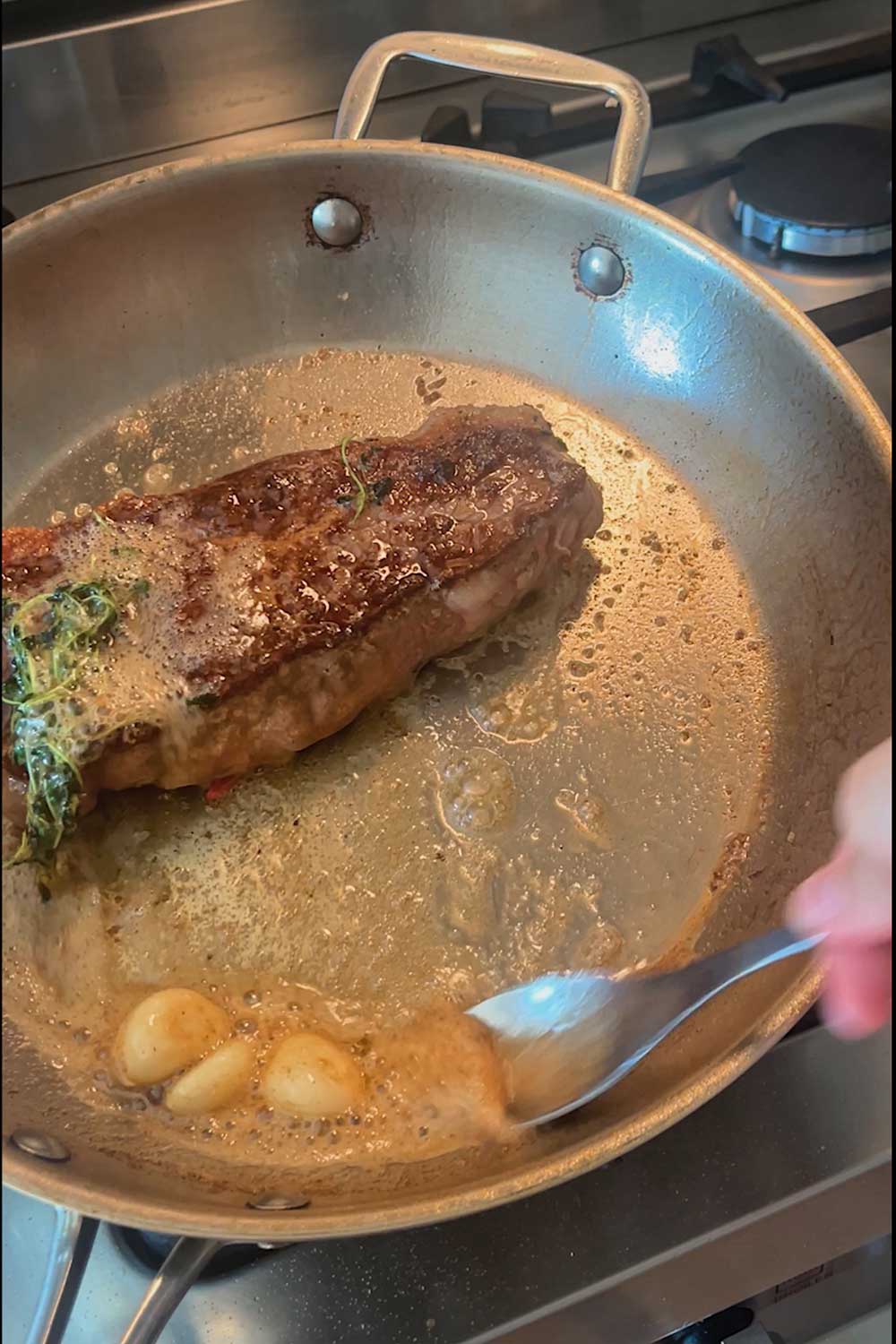
I’ve grown English thyme, French thyme and culinary thyme so far and am always looking for more varieties!
Chives
Chives are one of the trickier herbs to grow indoors.
With their mild onion flavor, chives are perfect for garnishing dishes like eggs, potatoes, salads, and even soups.
Chives can be a bit finicky to get started from seed.
They take a while to germinate, and don’t like being too wet.
But once they get going, chives love sunlight.
I find they’re one of the fastest herbs to regrow after trimming, so you’ll have fresh chives at your fingertips all the time. It’s like the more you cut, the more you get!
And chives actually prefer cooler temperatures, so they’re a great herb for year-round indoor gardening.
Try this fragrant garlic chive variety or this type that produces pretty pink blooms.
Shop chives seeds: Botanical Interests, Renee’s Garden, True Leaf Market, Amazon
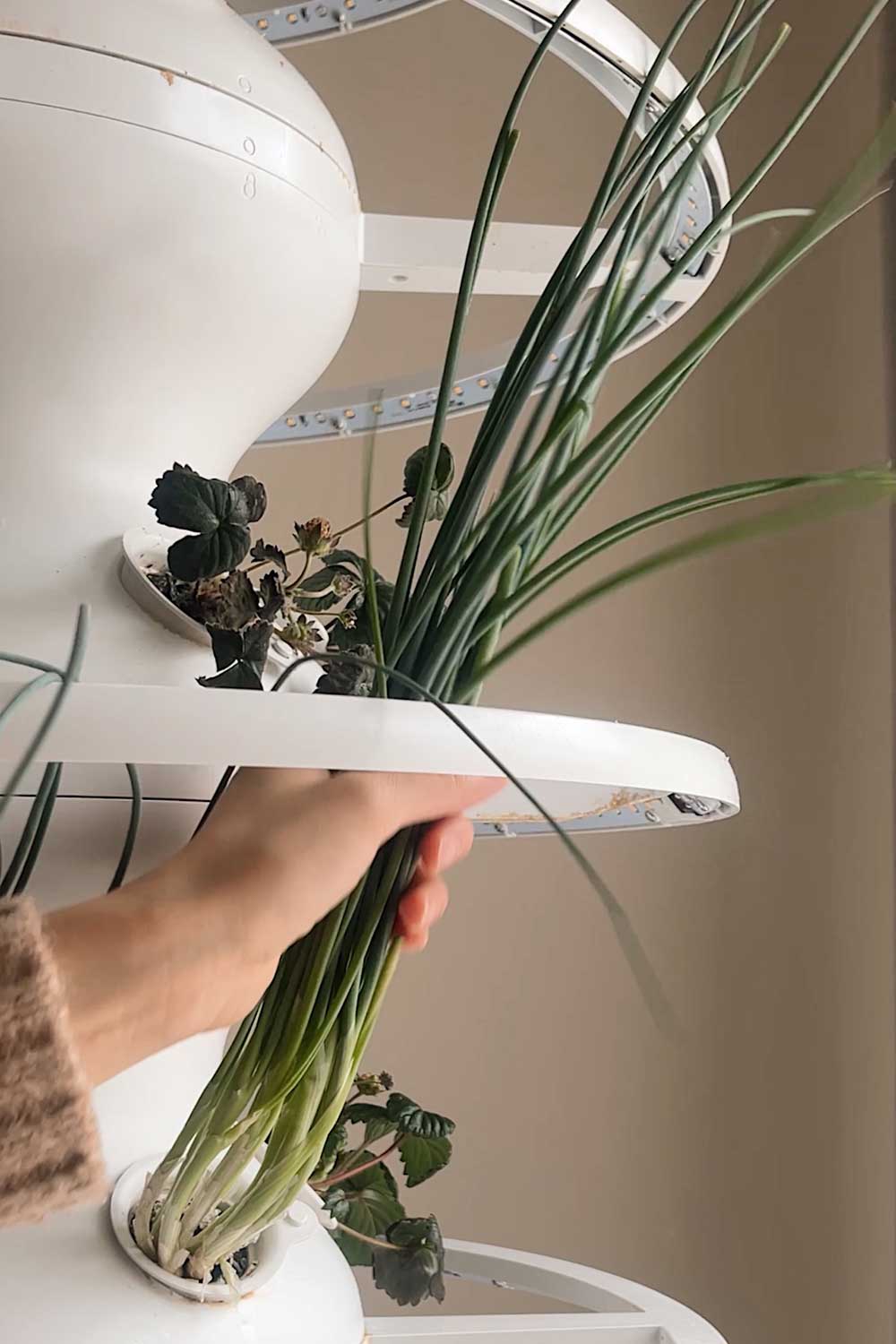
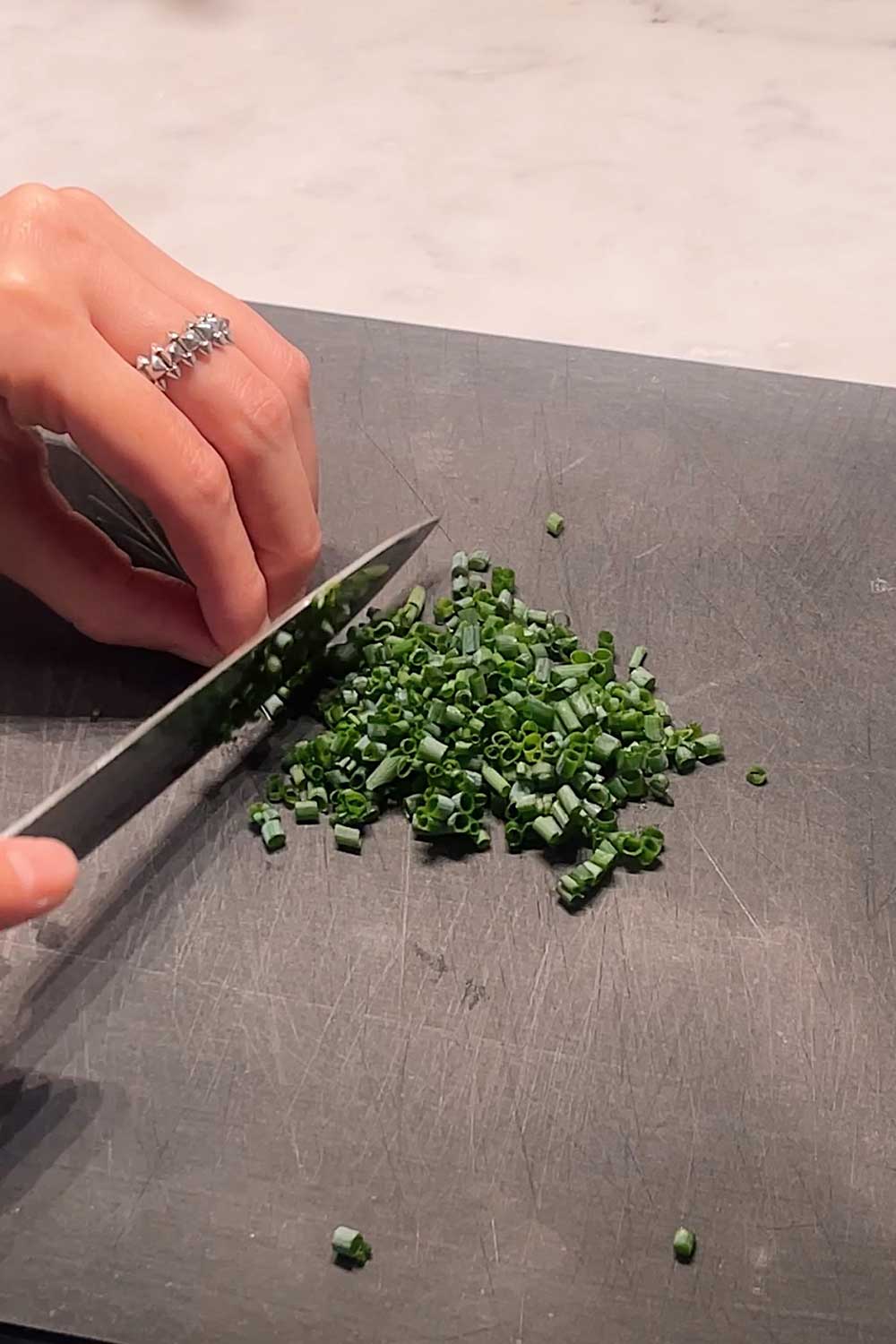
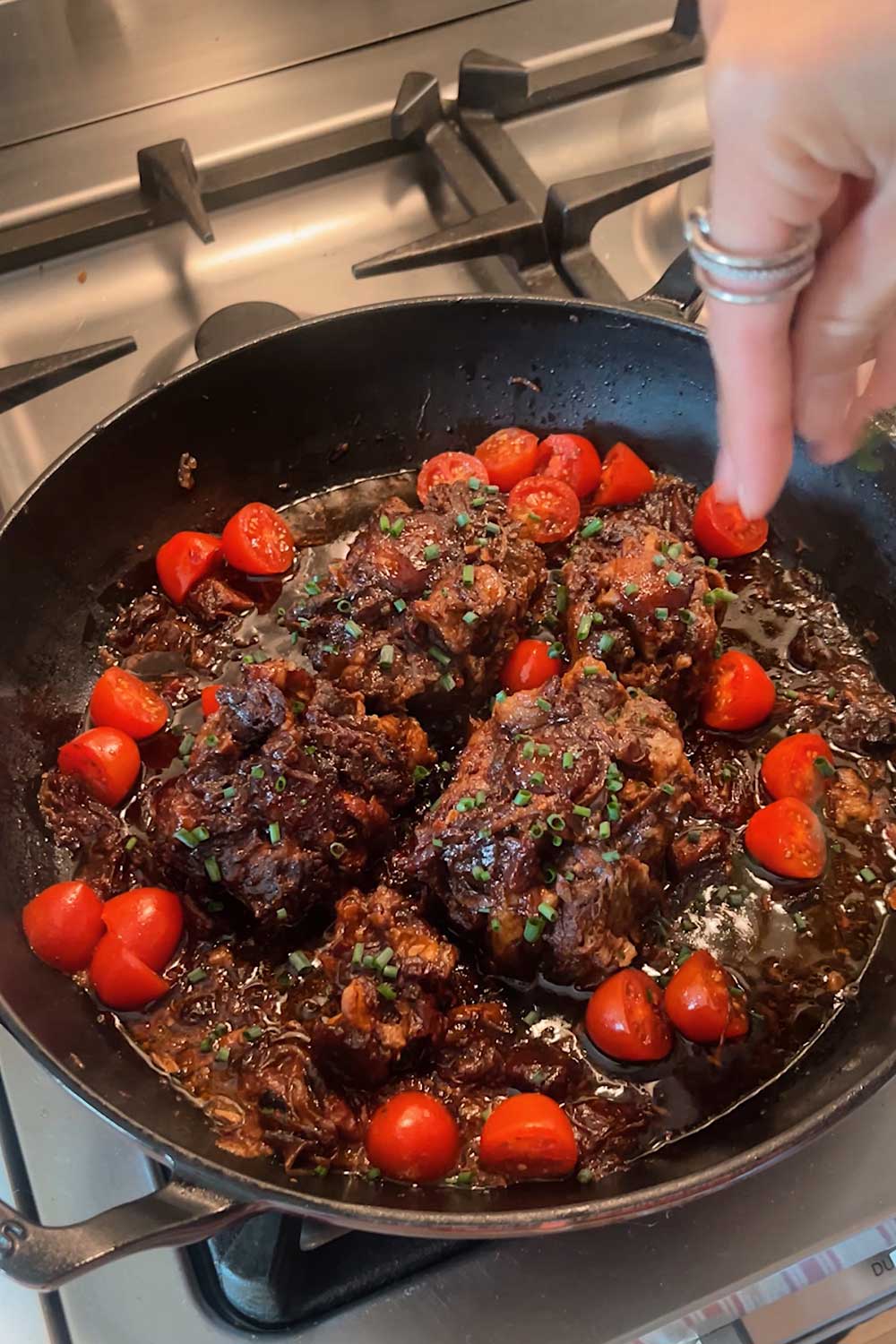
I’ve grown chives from seed, and also re-from green onions kitchen scraps! Hydroponic green onions have a much stronger flavor than store bought!
Rosemary
Rosemary is a wonderfully fragrant herb – I love the smell of it growing inside the house.
It’s perfect for adding depth to dishes like roasted lamb, chicken, or potatoes.
My personal favorite way to use rosemary is when I cook steak. Basting a ribeye in butter and rosemary is the best!
While rosemary can be a bit more challenging to grow indoors compared to other herbs, I think it’s totally worth the effort.
Rosemary needs a lot of sunlight and prefers to be on the drier side.
So it can be a little tricky to start, especially from seed.
But once it gets going, rosemary is quite hardy and will grow into a small bush!
Just be careful not to drown the roots, as it’s prone to root rot.
I’ve also made rosemary infused oil and rosemary compound butter!
Shop chives seeds: Botanical Interests, Renee’s Garden, True Leaf Market, Amazon
One of the best parts of growing your own herbs indoors is the ability to experiment with unique varieties that you simply can’t buy at the store.
Want to grow cat treats for your furry friends, or stevia for a sugar-free sweetener?
You can!
You could also grow lavender for a lovely scent around the house.
Then dry it to make homemade sachets for your linen draw or blend into an essential oils.
I never knew so many unique and specialty herbs existed until I started indoor gardening!
If you like Japanese or Korean food, shiso is a must-have herb that can elevate dishes like sushi, korean BBQ and salads.
I grew watercress just to make my favorite Chinese soup, west lake soup.
But despite growing herbs in my apartment for the last 10 years, I still haven’t even scratched the surface of all the herb varieties I want to try.
On my list are herbs I’ve never even seen in person, like:
They’re supposed to be great in teas, for cooking and also as medicinal remedies.
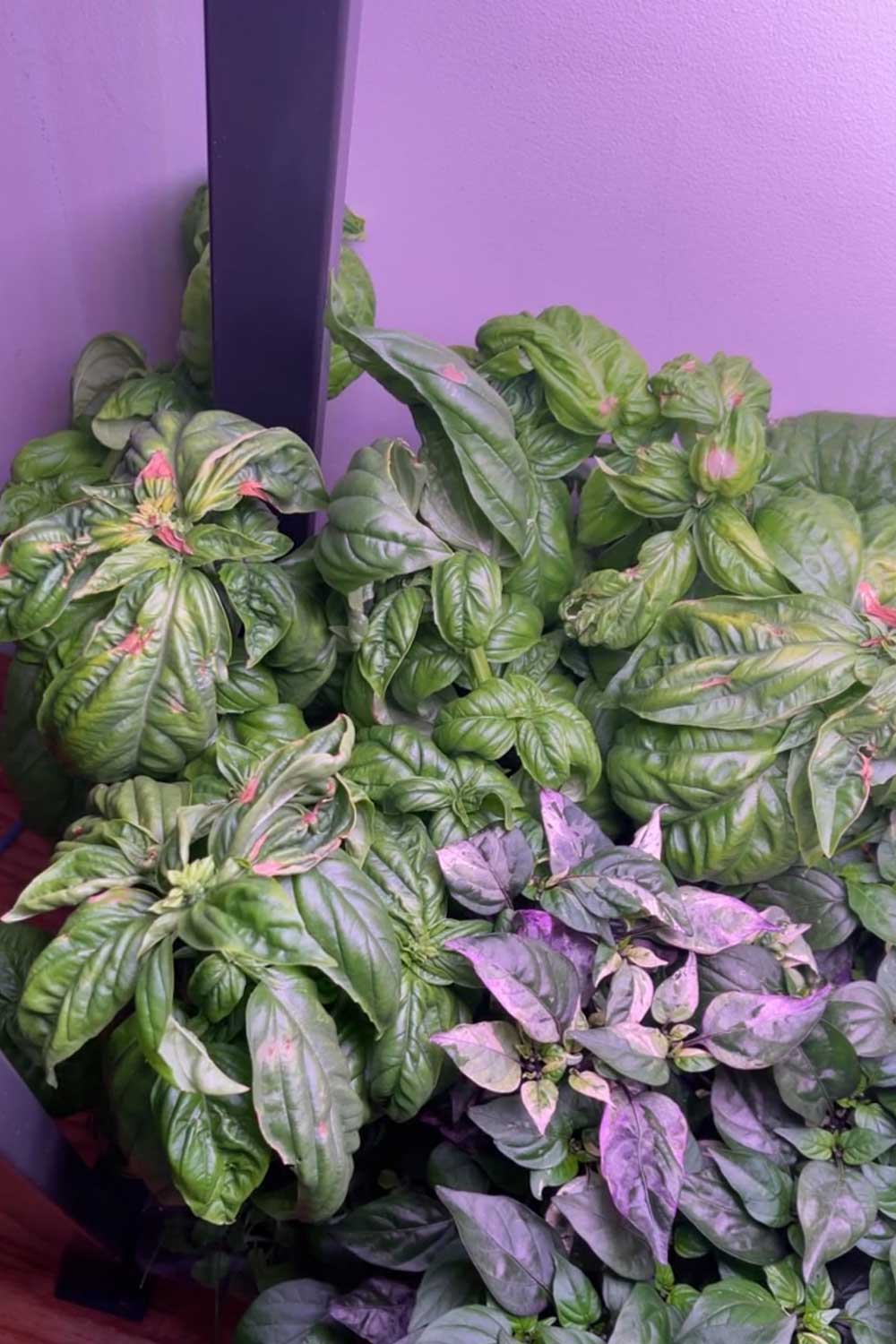
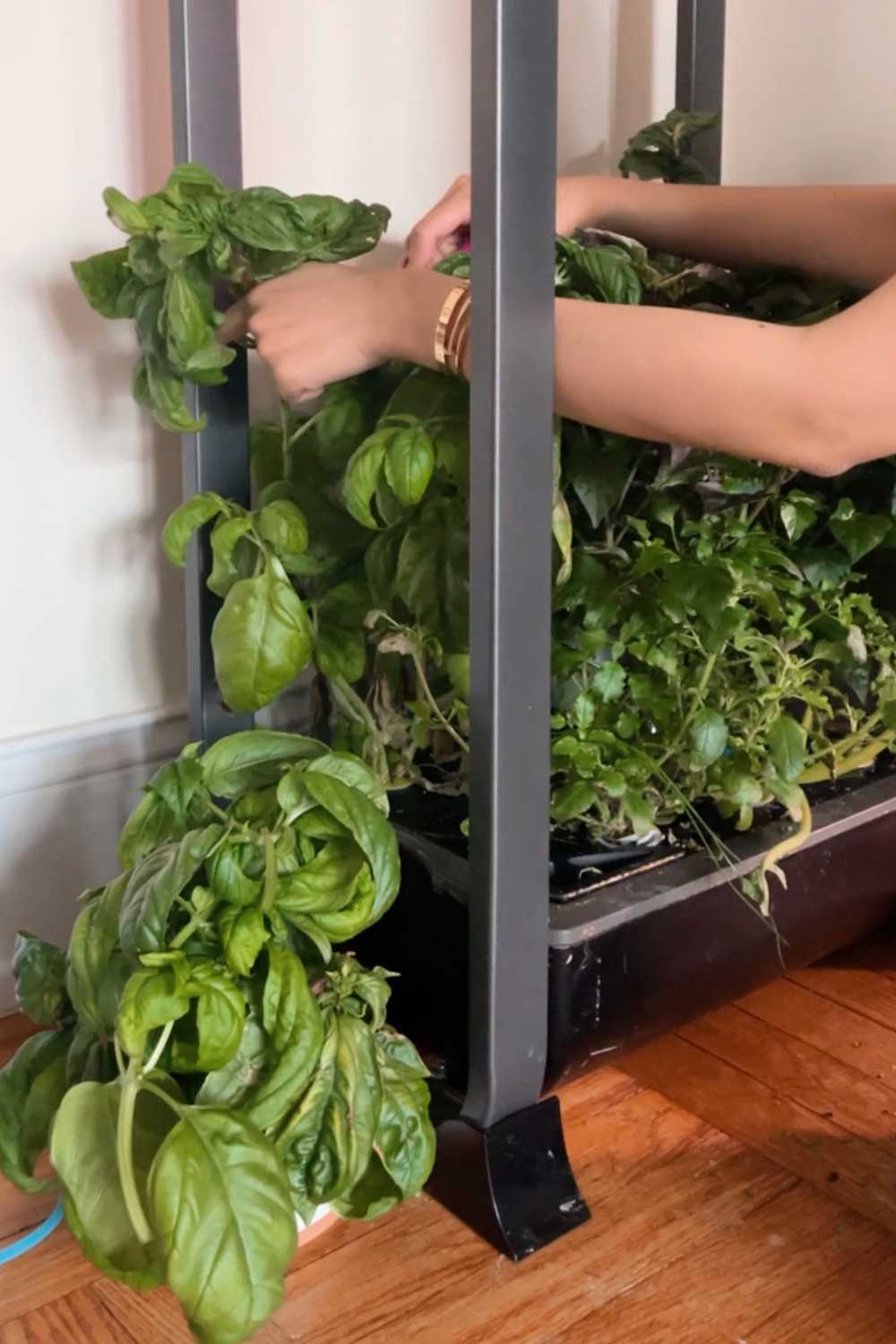
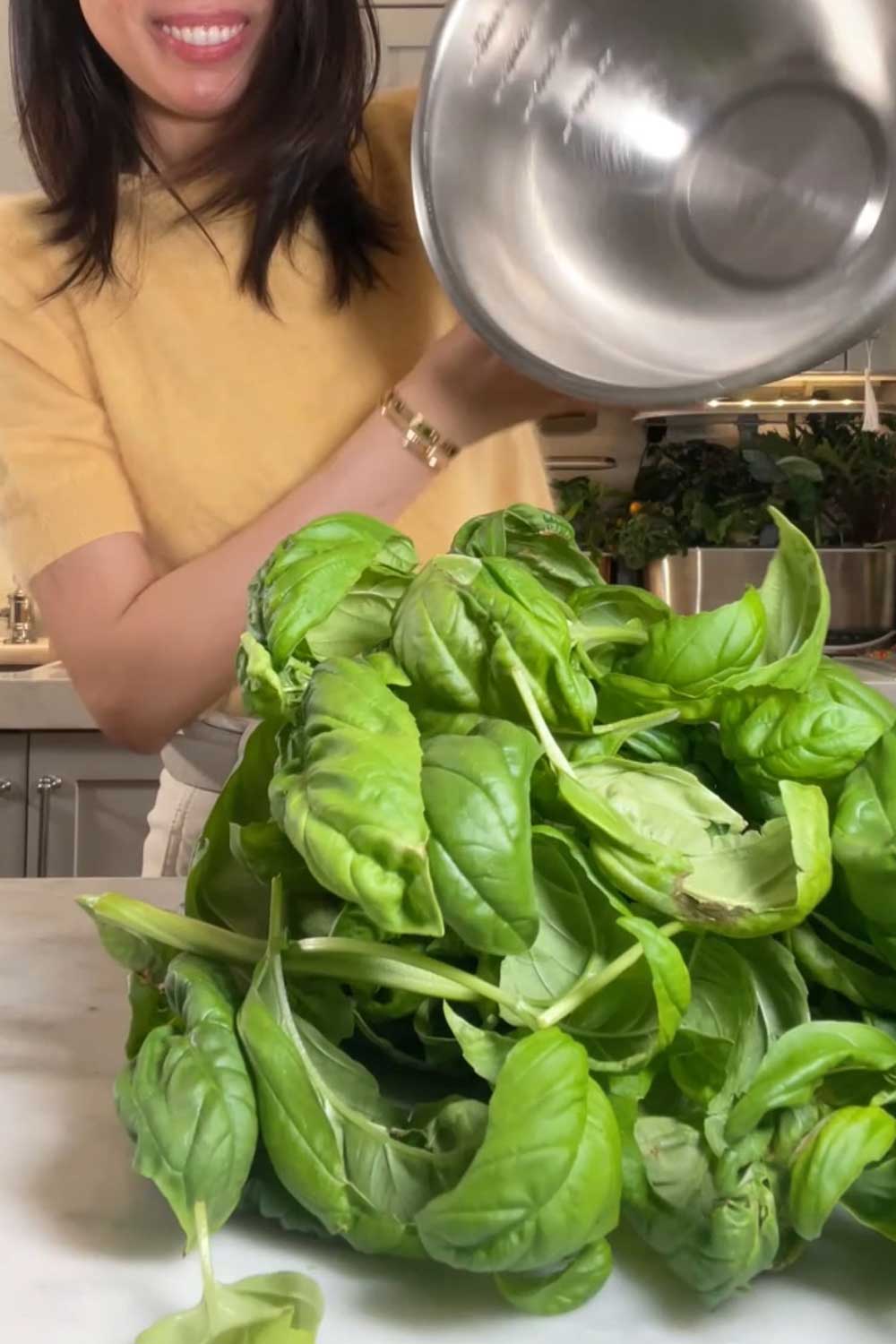
the more room you give your plants, the bigger you get! i grew so much basil i made a huge batch of pesto to preserve and freeze it
How much light do indoor herb gardens need?
Herbs need plenty of light to grow strong and flavorful.
Sunlight is key for developing healthy leaves.
Outdoors, most herbs need at least 4-6 hours of direct sunlight to thrive, but more light is always better.
Indoors, because sunlight is filtered and shaded by windows, your plants will need at least 14 hours of light per day to grow optimally.
If you’re relying on natural light, it’s important to position your herbs in the best spot to maximize their exposure to the sun.
Pick the Right Location
If your herbs start looking tall, thin, and leggy, it’s a sign they’re not getting enough light.
On the flip side, if the leaves look bleached or the plants start drooping around midday, they’re likely getting too much light and may be scorched.
Here’s a quick guide on how to position your plants based on your window orientation:
- South-facing windows: These receive direct light all day, making them the best spot for your herbs if you’re relying on natural sunlight.
- West-facing windows: These get direct light during the middle of the day, which is great for herbs that need a bit of afternoon sun.
- East-facing windows: These only have direct light in the morning, which is perfect for herbs that prefer a bit of gentle light throughout the day.
- North-facing windows: These provide mostly indirect light, which might not be enough for herbs to thrive indoors.
If you’re depending on natural light alone, south-facing windows are your best bet for growing herbs indoors.
During the shorter days of winter, your herbs likely won’t get enough natural light, even with a sunny windowsill.
That’s why I believe it’s a good idea to use indoor gardens that come with integrated, full-spectrum LED lights.
These grow lights provide the right amount of light for your herbs, ensuring they grow as fast, strong, and bushy as possible.
With the right lighting, you’ll enjoy bigger harvests and healthier plants overall.
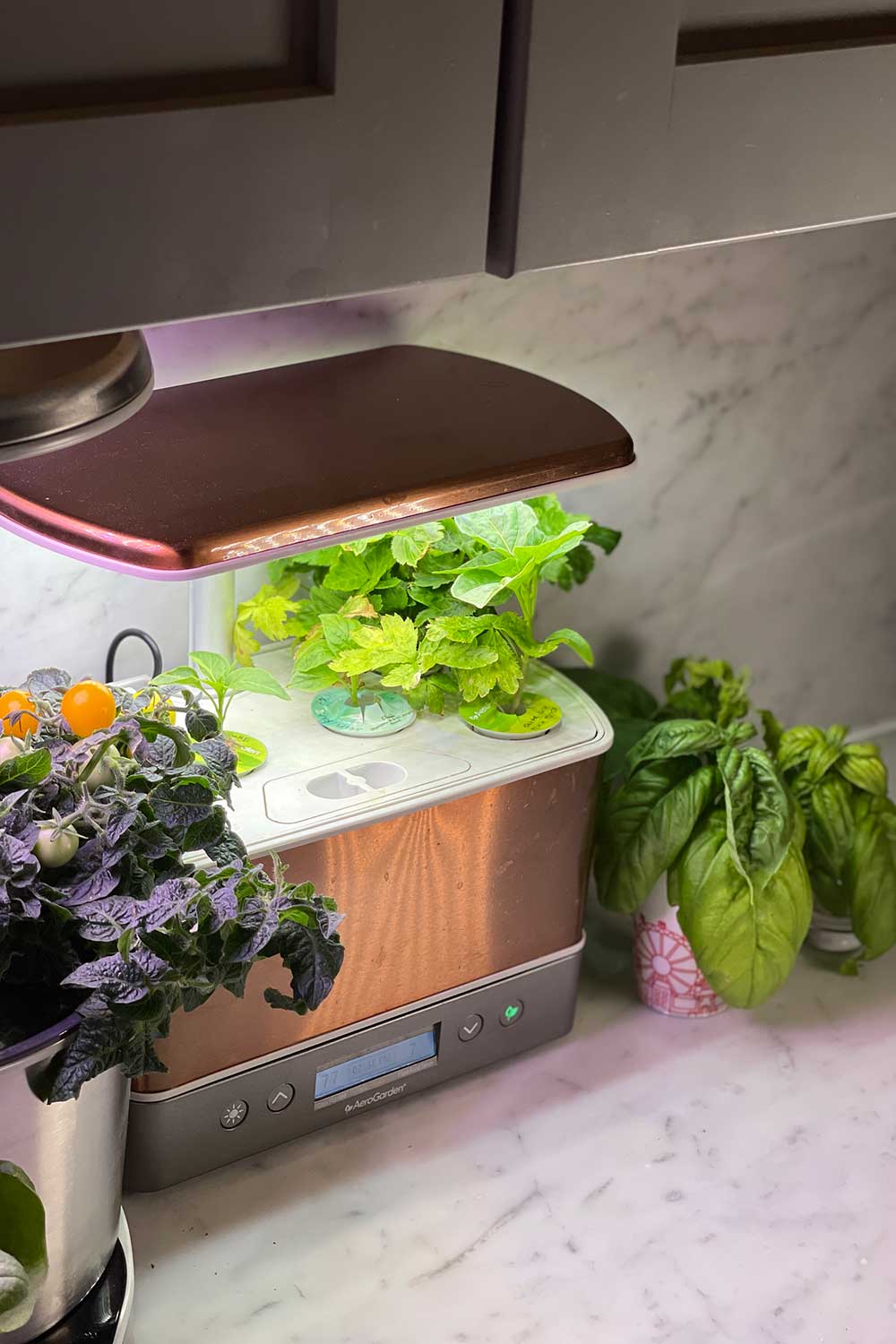
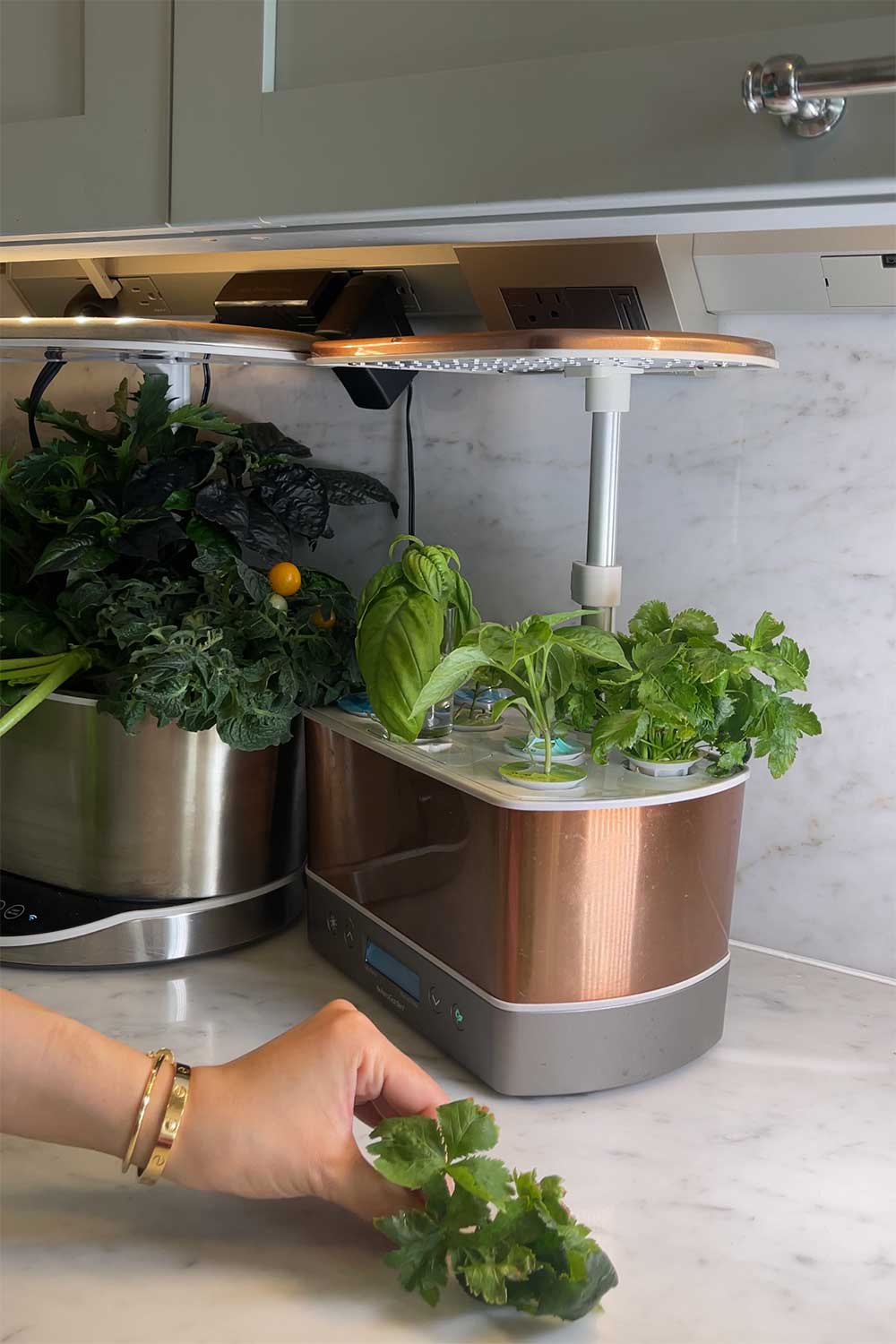
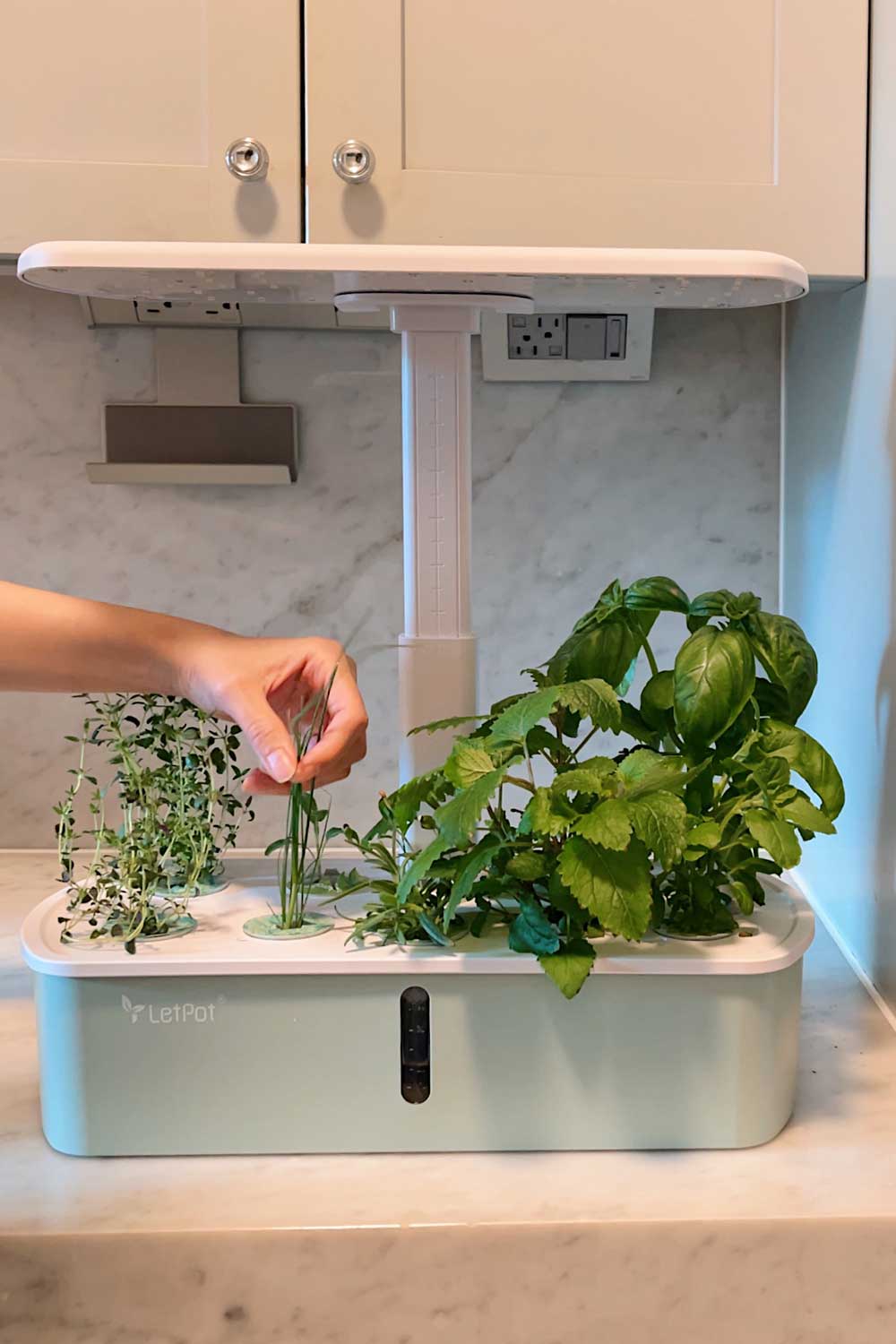
indoor gardens come with built-in LED grow lights, so you can grow herbs even in a dark corner
When selecting grow lights, make sure you’re using full-spectrum LED lights.
These mimic natural sunlight, don’t get hot, are energy-efficient.
They typically come with a remote timer to automatically turn on and off.
Full-spectrum LEDs are great because they provide balanced light for both vegetative growth and flowering, so your herbs will thrive.
Unlike natural sunlight, LED lights need to stay on for about 14 hours a day to give your plants the light they need to grow strong during the darker months.
Read more: How Much Does It Cost to Run an Indoor Garden?
Harvest Frequently
One of the best parts of growing an indoor herb garden is the ability to harvest fresh herbs whenever you need them.
It’s so rewarding to walk over to your garden and snip off some fresh basil or parsley to add to your meal.
Here’s how to harvest your herbs the right way:
- Trim leaves from the top of the plant to encourage it to grow more
- Always leave at least a third of the plant so it can continue to thrive and grow back
- If your herb plant starts to flower, pinch off the flowers
- Most herbs stop producing flavorful leaves once they begin blooming, so it’s best to prevent flowering if you want a steady supply of fresh herbs.
Pruning
Herbs grown indoors in a hydroponic garden tend to grow quickly.
After about two months, you should see a small, bushy plant.
Regular pruning is essential to keep your herbs healthy and productive.
Here’s how to prune for better growth:
For herbs like basil, every time you prune, new shoots will grow from the cut, making your plant bushier.
By pruning frequently, you essentially double your plant’s growth.
For herbs like chives, thyme, rosemary, parsley, and cilantro, you can cut straight across the stems.
The more you prune, the bushier and fuller your herbs will become, ensuring a steady supply of fresh leaves.
Air Circulation
Good air circulation is key to healthy herb growth.
Plants need to “breathe,” just like we do!
Proper airflow helps prevent mold, mildew, and other issues.
Here are a few tips to improve airflow:
- Don’t overcrowd your herbs – give them enough space to grow
- If your herbs are too crowded, it can lead to poor air circulation and the development of mold
- If you’re growing a lot of herbs in one area, consider using a room fan to help promote circulation and keep the air moving around your plants
Troubleshooting Common Issues
Even the best gardeners face challenges from time to time.
If you’re noticing any of these common issues with your indoor herb garden, here’s how to fix them:
Yellowing leaves
Yellowing leaves can be a sign of several issues, such as overwatering, too much sunlight, or nutrient deficiencies.
To troubleshoot:
- Overwatering: Make sure the plant isn’t sitting in too much water. Hydroponic plant roots need oxygen too!
- Too much light: If the leaves have burned spots, move the grow lights up.
- Nutrient deficiencies: If your plant isn’t getting enough nutrients, you may need to adjust the nutrient solution
Leggy plants
If your herbs are growing tall and spindly (a condition known as “legginess”), they’re likely not getting enough light.
To help them thrive:
- Adjust the light: Move your indoor garden lights lower, about 2 inches above the tops of the plants. As they grow, gradually raise the lights to avoid light burn.
- Ensure full-spectrum light: Make sure you’re using grow lights that provide the right spectrum for healthy plant growth. Cheap grow lights often aren’t strong enough for indoor plants
Pests
Small pests like aphids and spider mites can sometimes infest indoor herbs if youre not careful.
Follow my tips here to avoid getting bugs indoors.
But if you do see pests, gently rinse the leaves with water and use an organic insecticide or neem oil to safely get rid of them.
Starting an indoor herb garden is a fun and rewarding way to bring fresh flavors right into your kitchen.
With just a bit of care, the right hydroponic setup, and some regular pruning, you’ll have a thriving indoor garden that gives you a steady supply of herbs all year long.
And, even if you’re a complete beginner or live in a small apartment without outdoor space, growing your own herbs is simple and doable!
Read more: 10 Tips for Hydroponic Gardening
The Indoor Gardening Guide
Cyclosporiasis, e.coli — whatever outbreaks affect grocery produce hasn’t phased me
…because I grow my own clean, pesticide-free lettuce!
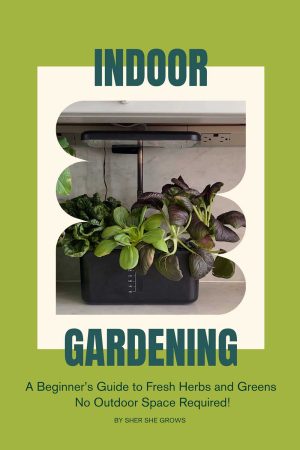
If you’re looking to start an indoor garden, I’ve written down my exact process for growing herbs, leafy greens and fruiting vegetables in my ebook:
Go from black thumbs to flourishing indoor gardener! See a sneak peek inside here
Follow me on
Youtube | Tiktok | Instagram | Substack | ShopMy


